I love the 35mm focal length. While, I enjoy a fast 50mm and have an affection for a sharp 85mm, the 35mm holds a special place in my photographic heart.
It’s likely due to the fact that I cut my teeth as a photographer on a fixed focal length 35mm lens. It was the lens through which I learned to see when I started using my first DSLR. Some people diminished its value because it wasn’t wide enough or because it wasn’t a true “normal” lens. I didn't care. There was something about the view it provided that I’ve really enjoyed and thrived on.
Even before I began using the x100s which with its fixed 23mm lens provides the equivalent of a 35mm, I almost always had a lens that provided me that 35mm field of view. Back in the day of shooting film, I would proudly tote around a Nikon F3 with a 35mm and rolls of Kodachrome in my pocket and take to the streets. It was all that I needed.
The slightly wide field of view offered a challenge for me. Unlike a longer focal length that would allow me to isolate the subject, the 35mm demanded that I consider everything else in the frame and not just the subject. I had to think about the background and foreground and how I could create a photograph in which the composition was balanced and didn’t include distractions.
That was no easy feat as as I came up with many images in which distracting elements along the edges of the frame ruined a photograph. I was so focused on my subject, I didn’t see that red truck in the background or that tree branch from the edge of the frame. In the days before Photoshop and the clone tool such things could and did ruin many an image.
Though cropping might have been a solution for some, I was often shooting slide film. And if I were shooting negative film, I had filed my negative holders down to get that nice black edge around the image, for my prints. If I wanted it to be right, it had to happen in the camera.
Now, with digital I am still drawn to the 35mm focal length. Even with the amazing zooms that are available to me, I’m more than happy to hit the streets with just one lens. So, whether its the 35mm on my 5D Mark III or the x100s, I know exactly how I’m going to see the world and capture it.
I’ve taken two trips abroad where I was shooting with a 35mm focal length and only that and never did I feel lacking or at a disadvantage. It’s just become the way I see. Though there are certainly times when other focal lengths are appropriate and needed, most days I am happy enough to keep it nice and simple, my 35-mil and me.
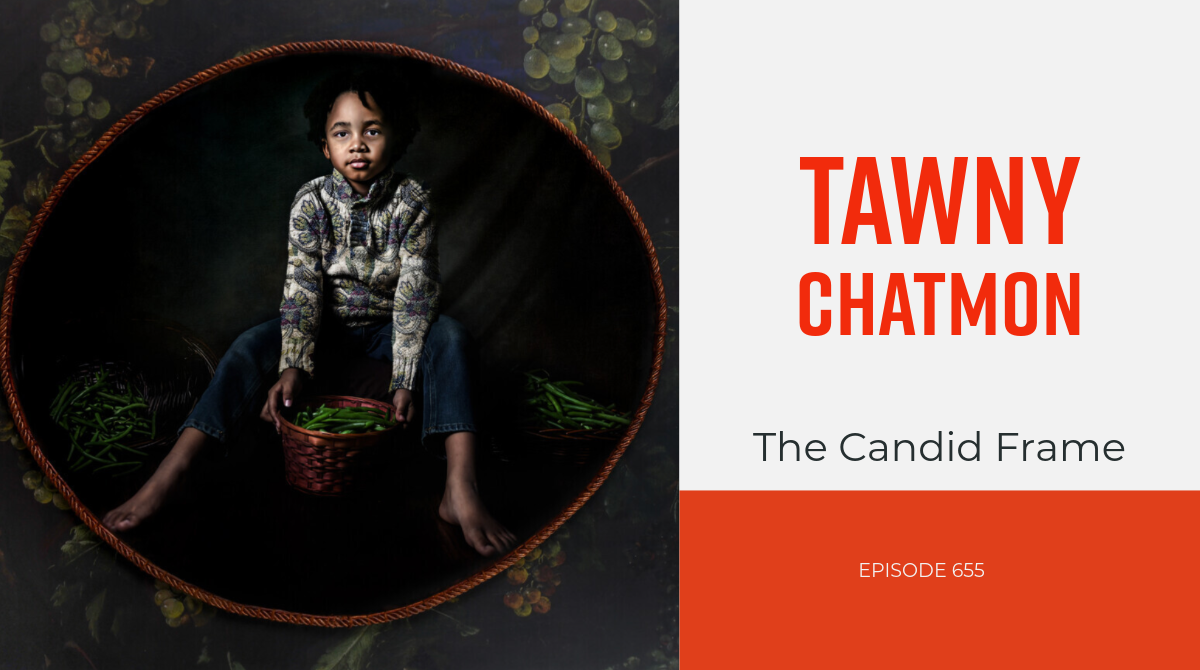
When photographer Tawny Chatmon creates a portrait, she is doing more than arranging light and subject—she is reconstructing history. Drawing from classical European painting traditions while centering contemporary Black subjects, her work reclaims visual space that has long excluded them. Through layered textures, gold leaf, and painterly surfaces, Tawny creates images that feel both timeless and urgently present.
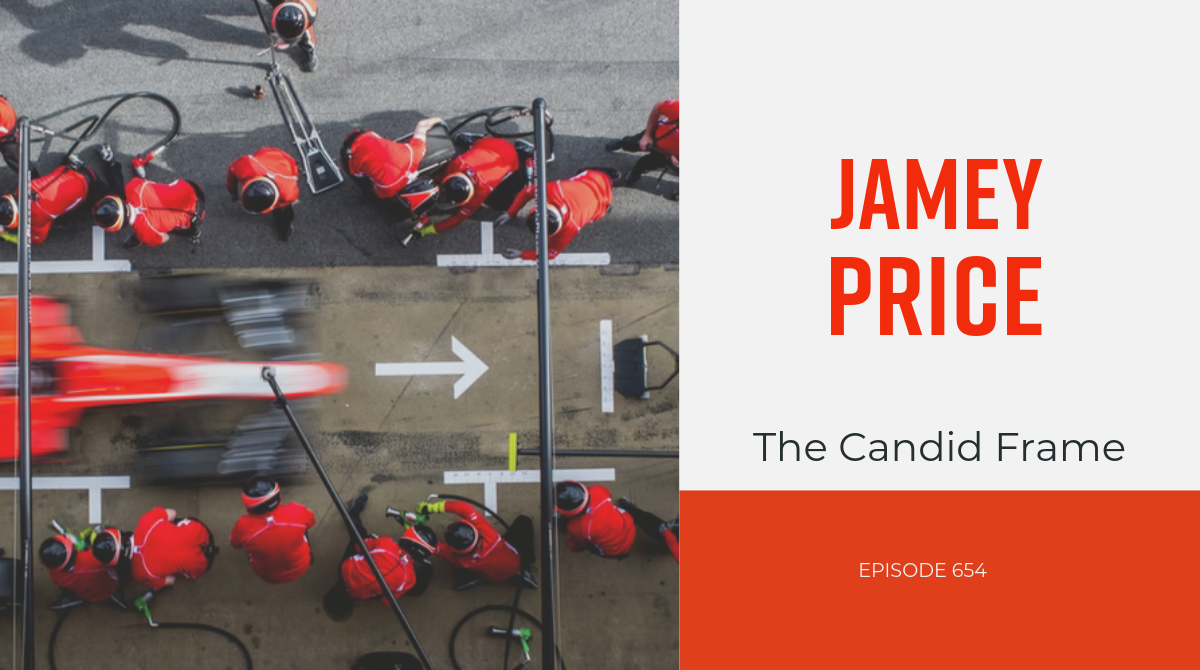
When photographer Jamey Price first turned his lens toward motorsports, he wasn’t simply chasing speed—he was chasing feeling. The roar of engines, the blur of motion, the choreography of pit crews and drivers—all of it became raw material for a visual language that balances technical precision with emotional intensity. His photographs don’t just freeze high-performance machines; they capture the atmosphere, tension, and spectacle that define global racing culture.
That pursuit culminates in his new book, Racing Unfiltered, a signed and numbered edition that brings readers closer to the visceral reality of professional racing.
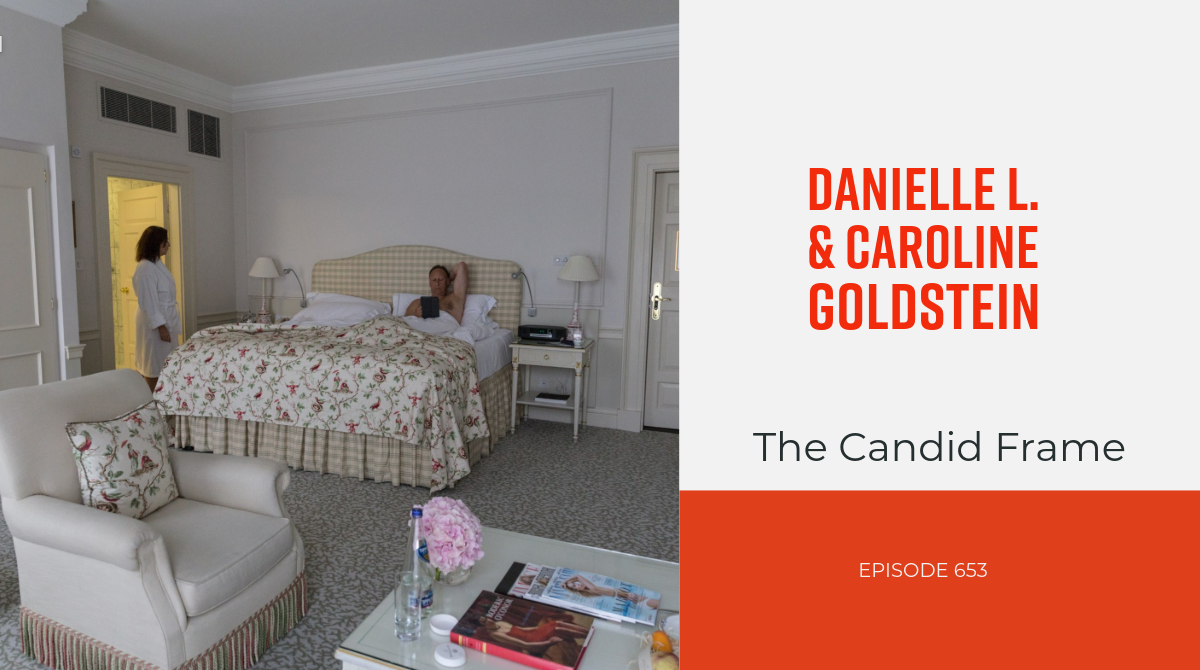
When photographer Danielle L Goldstein and editor–writer Caroline Goldstein came together to create Transience, the result was a collaboration rooted in restraint, trust, and attentiveness. The book occupies the in-between—those fleeting, unresolved moments that resist easy interpretation. Danielle’s photographs do not insist on meaning; instead, they invite the viewer into a space of quiet observation, where tenderness and uncertainty are allowed to coexist.
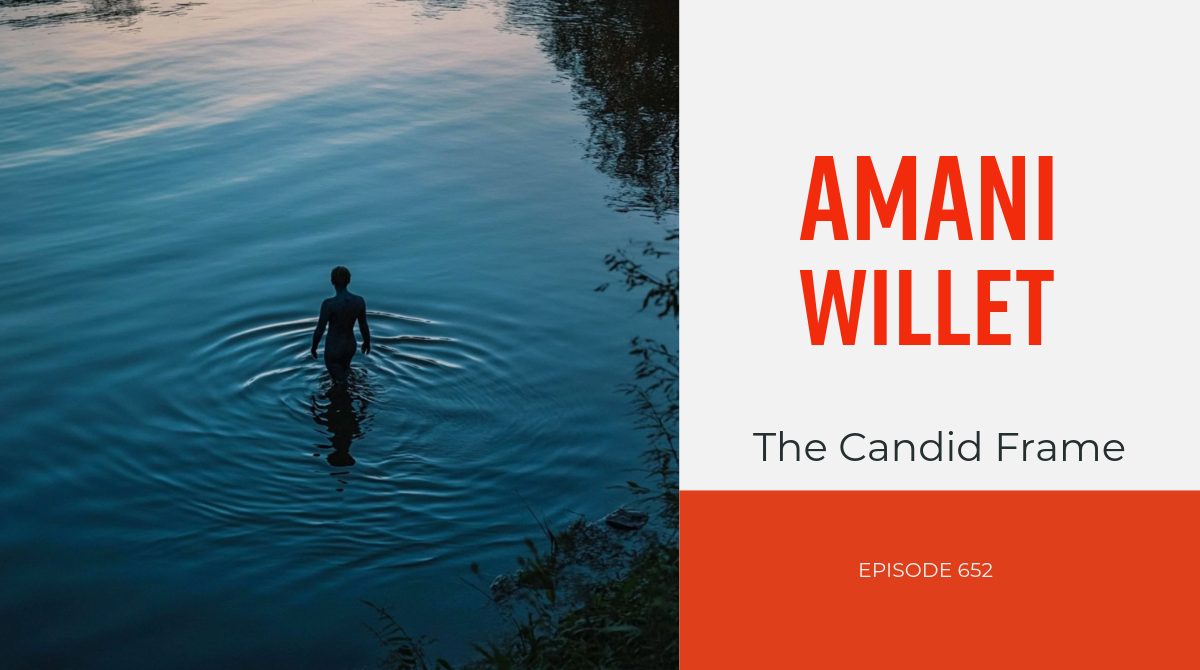
When photographer Amani Willett turns his attention to American life, he does so with a quiet precision that reveals both its poetry and its contradictions. Working primarily in black and white, Amani’s photographs explore themes of history, memory, race, and belonging—often focusing on overlooked spaces and moments that carry deep cultural resonance. His work invites viewers to slow down and consider how the past lingers in the present, shaping both personal and collective identity.
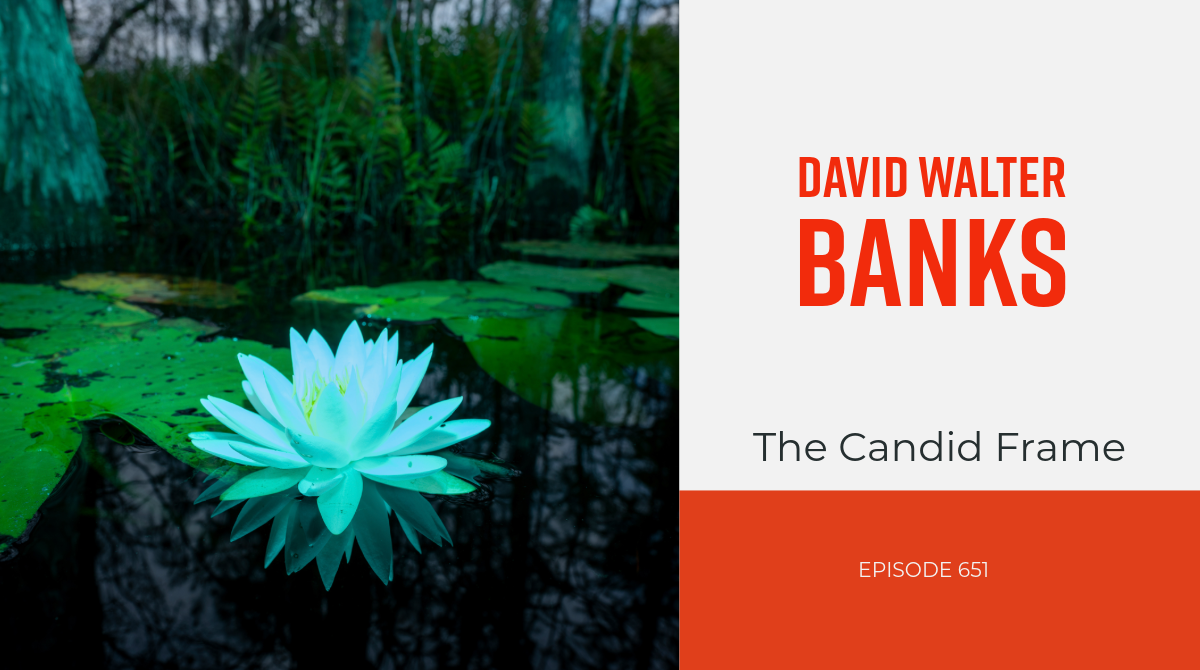
When photographer David Walter Banks began turning his lens toward the spaces where power, faith, and ideology take physical form, he set out to explore more than architecture. His photographs examine how belief systems—political, religious, and cultural—shape the built environment and, in turn, influence how we move through the world. From monuments and government buildings to evangelical megachurches, David’s work reveals how space is used to project authority, belonging, and conviction.
When photographer Ben Geier first began making images, it was his Midwest upbringing and a fascination with abandoned places that set him on a path of visual discovery. Over the past decade, Ben’s work has led him across the United States in search of once-vibrant theatres, roadside restaurants, neon signs, motels, and storefronts—places that carry the texture of America’s cultural and architectural history.
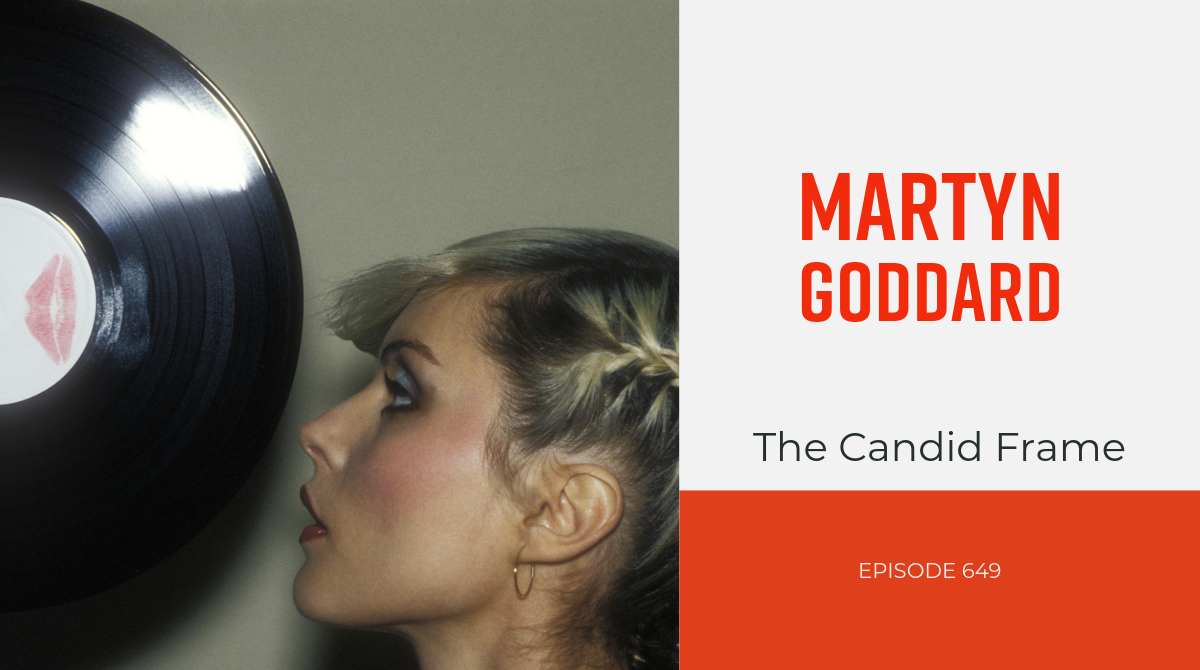
When photographer Martyn Goddard began documenting the emerging punk and new wave scene in London during the late 1970s, he was capturing more than a musical movement—he was photographing a cultural revolution. His lens found its way to some of the most influential bands of the era, none more iconic than Blondie. His candid, stylish, and energetic photographs reveal the band’s magnetic presence both on and off stage, chronicling the rise of Debbie Harry and her bandmates at a moment when music, fashion, and attitude collided.
When photographer and educator Mark Comon talks about photography, his passion is unmistakable. As the owner of Paul’s Photo in Torrance, California, and founder of the Creative Photo Academy, Mark has spent decades helping photographers at every level discover their creative potential.
When photographer Frank Jackson first picked up a camera, he discovered more than a tool—he found a way to translate how he sees and feels the world. Known for his street photography and portraiture, Frank has built a career rooted in curiosity, observation, and a relentless drive to make work that is true to himself. His images often balance rawness and elegance, revealing moments that might otherwise pass unnoticed.
When photographer Jonas Paurell set out to explore the relationship between humans and the natural world, he embraced a practice that moves fluidly between art, documentary, and environmental storytelling. His images are rooted in a deep engagement with place—whether remote mountain landscapes or fragile ecosystems—and they reflect both an aesthetic sensitivity and an ecological urgency. Jonas’s work doesn’t simply document the environment; it raises questions about belonging, responsibility, and how our presence shapes the land we inhabit.
When photographer Dimitri Staszewski began his Close to the Bayou project, he was drawn to the layered and deeply personal relationship between people and place in southern Louisiana. His photographs explore the impact of land loss, environmental change, and cultural resilience, capturing stories that exist at the intersection of identity, heritage, and survival.
When multi-media artist Javiera Estrada speaks about her work, it’s not just about aesthetics or technique—it’s about transformation. Born in Acapulco, Mexico and raised in the United States after emigrating in 1989, Estrada brings a rich cultural memory of vibrant color, ritual, and mysticism into everything she creates. Whether working with photography, photograms, textiles, or mixed media, her art bridges the seen and unseen—merging earthly material with spiritual inquiry.
When photographer Justin Black first picked up a camera, he was drawn not just to the art of image-making but to the power of photography as a tool for exploration, conservation, and connection. Over the years, that passion has evolved into a remarkable career that bridges fine art, environmental advocacy, and education. As a co-founder of Visionary Wild and former executive director of the International League of Conservation Photographers, Justin has helped shape how we think about the relationship between photography and the natural world.
When filmmaker Ilie Mitaru first discovered Serbest Salih’s Instagram feed, he was struck by the power of the photographs—vivid, intimate images made by children from displaced and marginalized communities across Turkey. These weren’t typical snapshots. They revealed a bold visual instinct and emotional clarity that defied the children’s limited experience behind the camera. Ilie saw not just compelling photographs, but a powerful story of self-expression—one that urgently needed telling.
That story became First Frames, a film that shifts focus away from trauma and instead highlights the playful, curious, and complex inner lives of its young image-makers.
Jasmine Benjamin, a California native, embodies the laid-back spirit of Northern California where she was born and the dynamic energy of Hollywood, where her work thrives. With a career spanning 17 plus years as a stylist, consultant, and creative director, she has established herself as a key figure in culture.
Her latest project, CITY OF ANGELS: “A book about L.A. style”, is her first coffee table book, capturing the essence of contemporary LA style through 120 plus portraits of local luminaries.
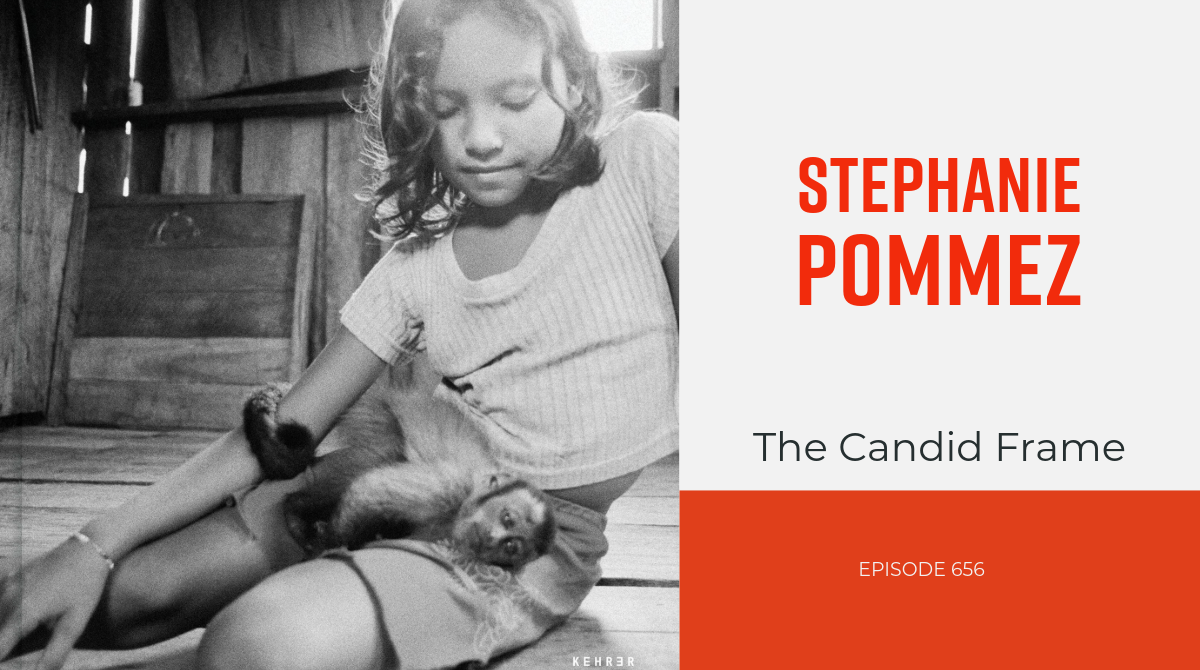
When photographer Stephanie Pommez began documenting the lives of traditional midwives in the Amazon, she was drawn by a desire to understand how communities shape meaning through ritual, labor, and shared belief. Over several years, she traveled through river-dweller communities, photographing women who serve not only as caretakers and healers, but as guardians of local culture.