Stacey Tyrell was born and raised in Toronto, ON, Canada. She attended OCAD University where she majored in Photography. Her work predominantly deals with themes of identity, race and heritage as it pertains to post-colonial societies and the Caribbean Diaspora. Her work has appeared in such shows as Flash Forward 2012 at the Magenta Foundation, Position As Desired: Contemporary African Canadian Photography at the Royal Ontario Museum and the Canadian Museum for Immigration at Pier 21, MLK50 at the Places des Arts, PQ and Photography NOW 2009 at the Center for Photography at Woodstock, NY.
Her images are part of Heritage Canada and the Montreal Arts Interculturels Collections permanent collections and have appeared in such publications as European Photography, Marie Claire South Africa, Pictures From Paradise: A survey of Contemporary Caribbean Photographers, Canadian Art Magazine, ARC Magazine, Prefix Photo and Applied Arts Magazine. She has also participated on various panels including the Canada Council for the Arts Next Generation Sounding 2013. She currently is based in Brooklyn, NY, USA.
Resources:
Download the free Candid Frame app for your favorite smart device.
Click here to download for iOS.
Click here to download for Android
Click here to download for Windows 8
Support the work we do at The Candid Frame with contributing to our Patreon effort. You can do this by visiting patreon.com/thecandidframe or visiting the website and clicking on the Patreon button.
You can download the latest episode by clicking here.
To stream the current episode on your computer, click on the player below.
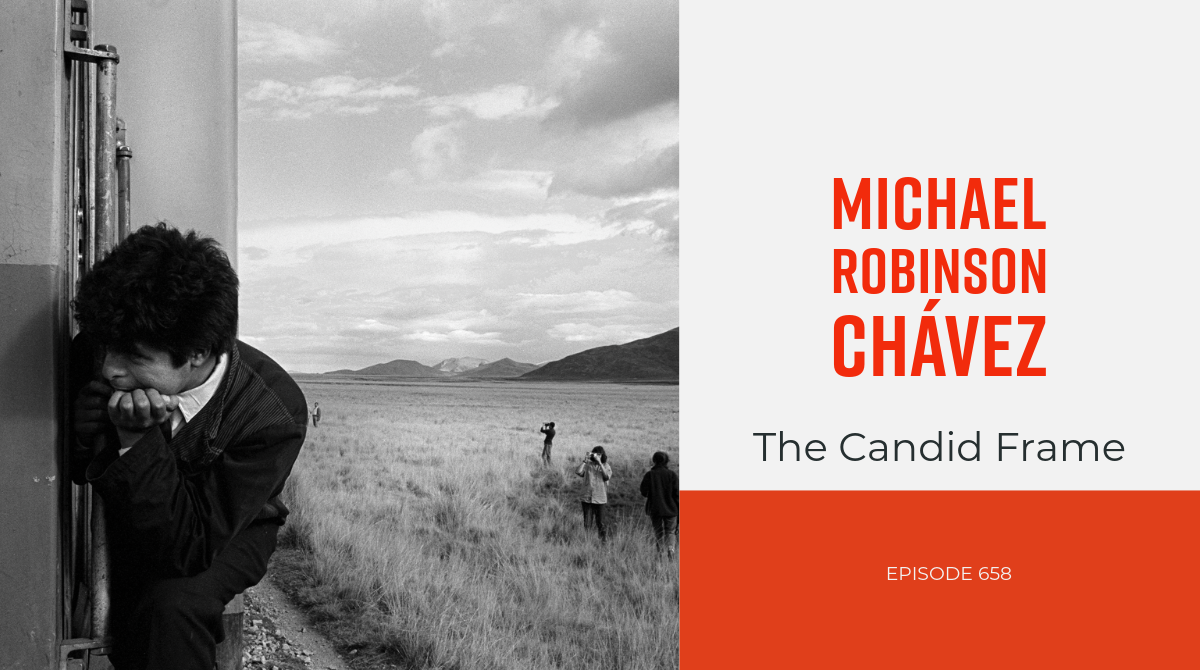
When Michael Robinson Chávez first traveled to Peru with a camera in hand, he couldn’t have known it would mark the beginning of a lifelong relationship with photography—and with the country that would become central to his understanding of himself. A native Californian and the son of a Peruvian mother, Chávez has spent decades building a distinguished career as a visual journalist, photographing stories across the globe with a rare combination of rigor, empathy, and clarity.
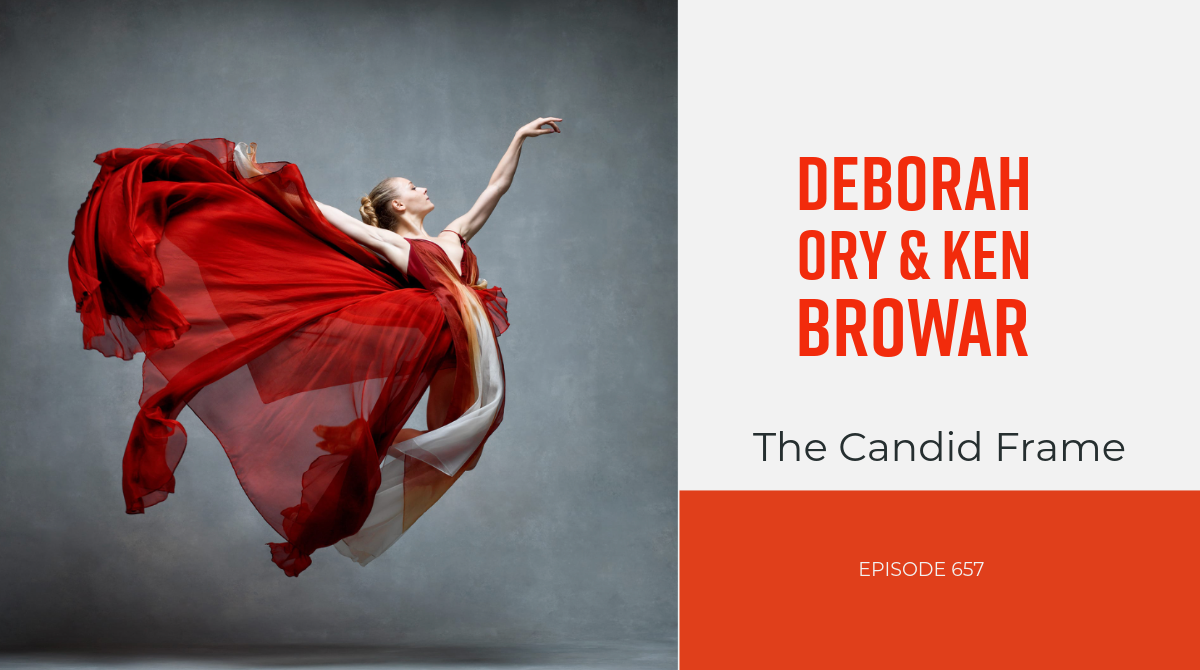
When photographers Ken Browar and Deborah Ory first began collaborating on what would become NYC Dance Project, they set out to create portraits that could honor the athleticism, artistry, and emotional force of dance. Their work has since become synonymous with a style of portraiture that is both elegant and explosive. That vision continues in their new book, Martha Graham Dance Company at 100, which celebrates one of the most influential institutions in modern dance.
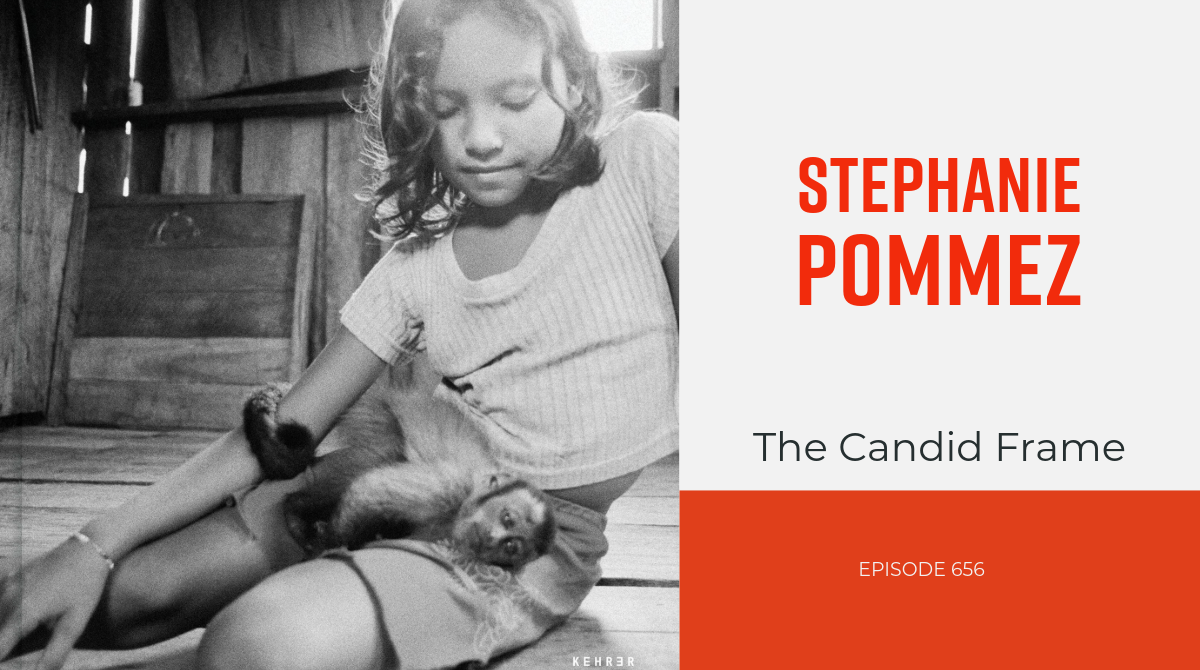
When photographer Stephanie Pommez began documenting the lives of traditional midwives in the Amazon, she was drawn by a desire to understand how communities shape meaning through ritual, labor, and shared belief. Over several years, she traveled through river-dweller communities, photographing women who serve not only as caretakers and healers, but as guardians of local culture.
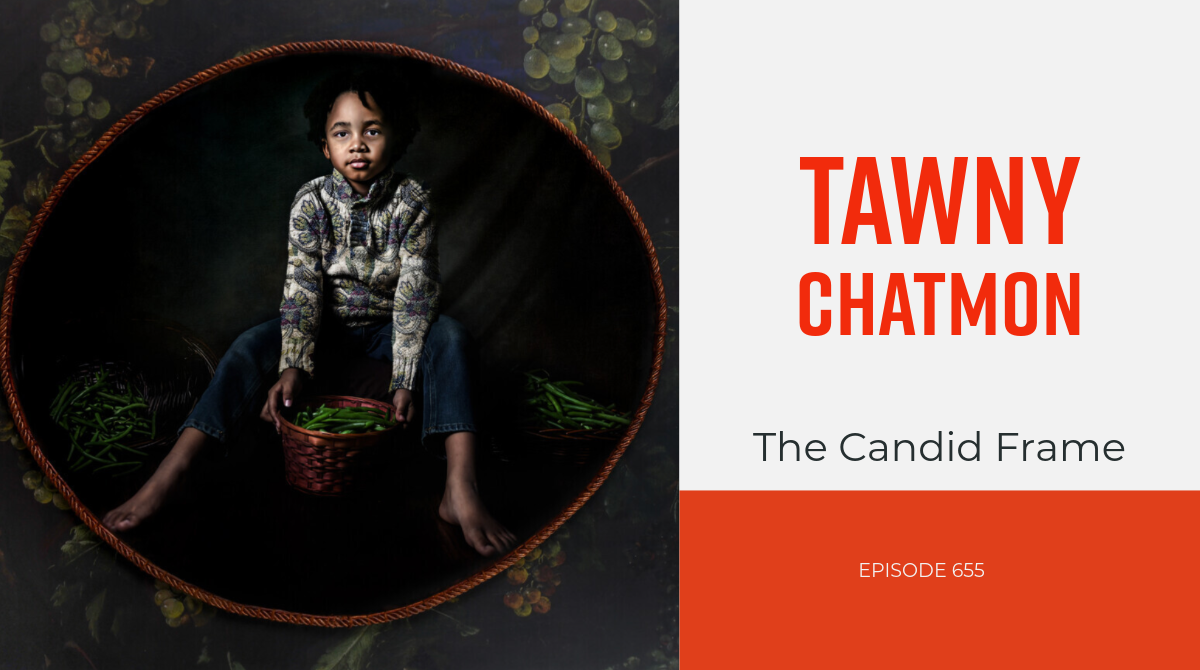
When photographer Tawny Chatmon creates a portrait, she is doing more than arranging light and subject—she is reconstructing history. Drawing from classical European painting traditions while centering contemporary Black subjects, her work reclaims visual space that has long excluded them. Through layered textures, gold leaf, and painterly surfaces, Tawny creates images that feel both timeless and urgently present.
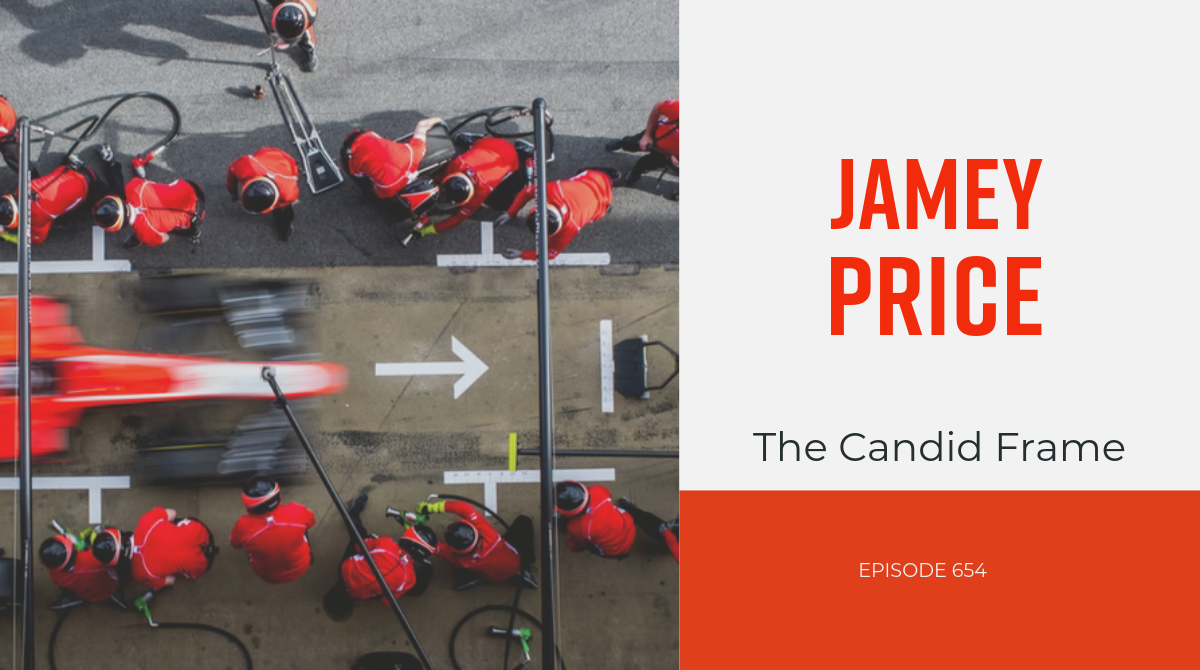
When photographer Jamey Price first turned his lens toward motorsports, he wasn’t simply chasing speed—he was chasing feeling. The roar of engines, the blur of motion, the choreography of pit crews and drivers—all of it became raw material for a visual language that balances technical precision with emotional intensity. His photographs don’t just freeze high-performance machines; they capture the atmosphere, tension, and spectacle that define global racing culture.
That pursuit culminates in his new book, Racing Unfiltered, a signed and numbered edition that brings readers closer to the visceral reality of professional racing.
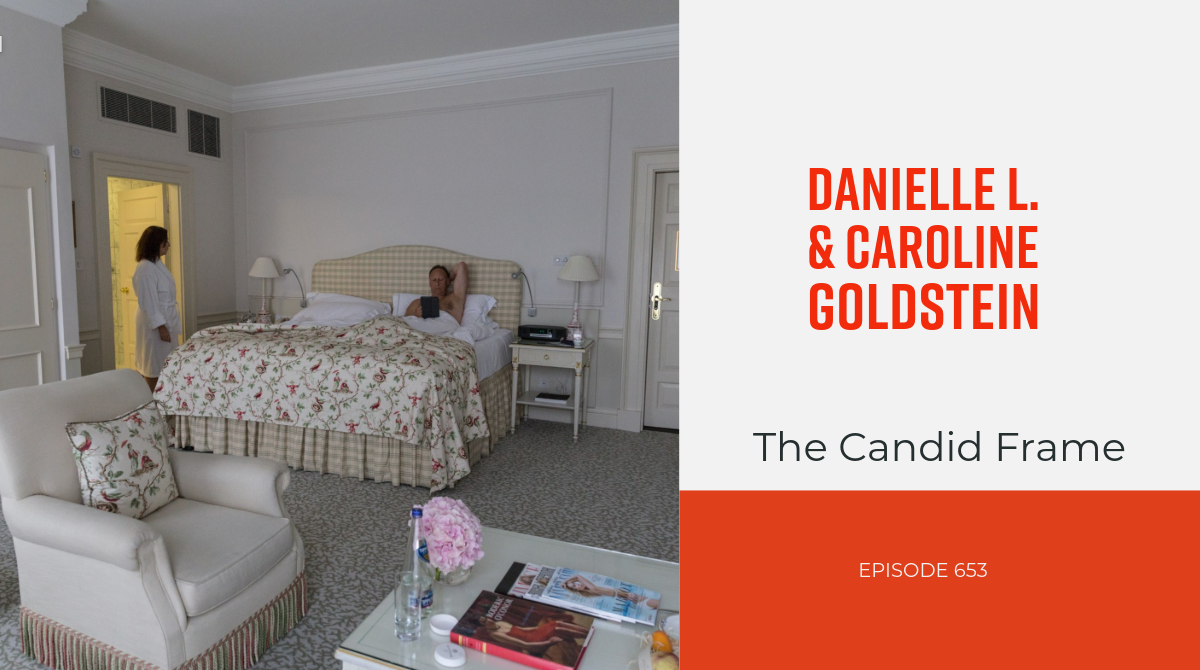
When photographer Danielle L Goldstein and editor–writer Caroline Goldstein came together to create Transience, the result was a collaboration rooted in restraint, trust, and attentiveness. The book occupies the in-between—those fleeting, unresolved moments that resist easy interpretation. Danielle’s photographs do not insist on meaning; instead, they invite the viewer into a space of quiet observation, where tenderness and uncertainty are allowed to coexist.
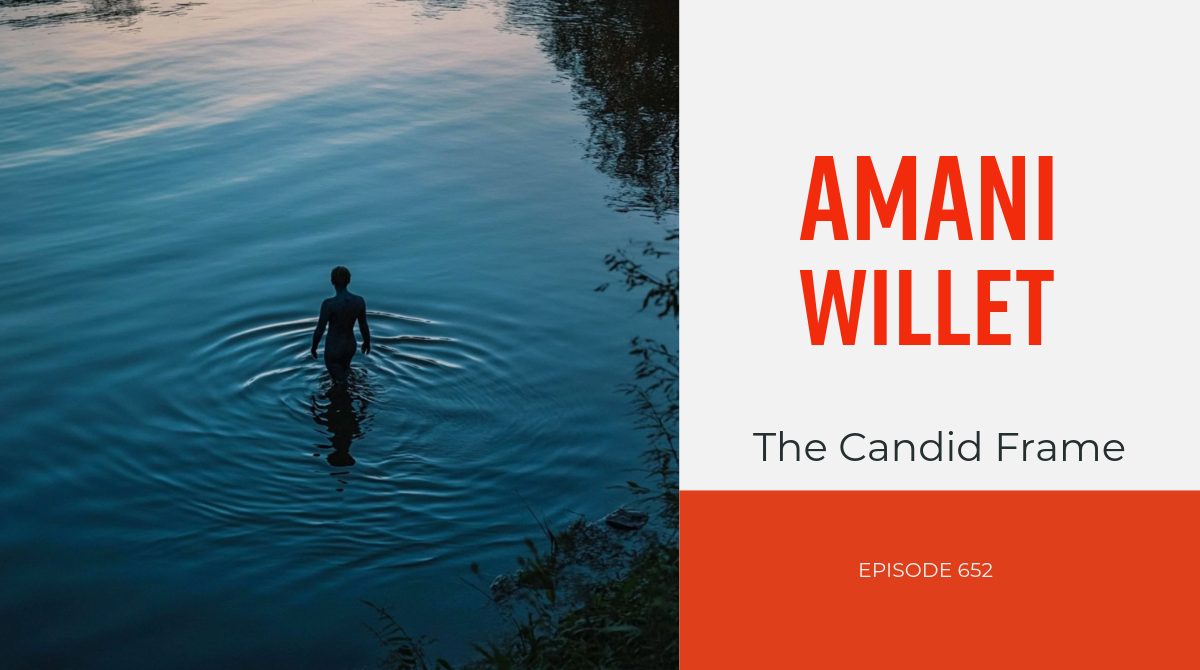
When photographer Amani Willett turns his attention to American life, he does so with a quiet precision that reveals both its poetry and its contradictions. Working primarily in black and white, Amani’s photographs explore themes of history, memory, race, and belonging—often focusing on overlooked spaces and moments that carry deep cultural resonance. His work invites viewers to slow down and consider how the past lingers in the present, shaping both personal and collective identity.
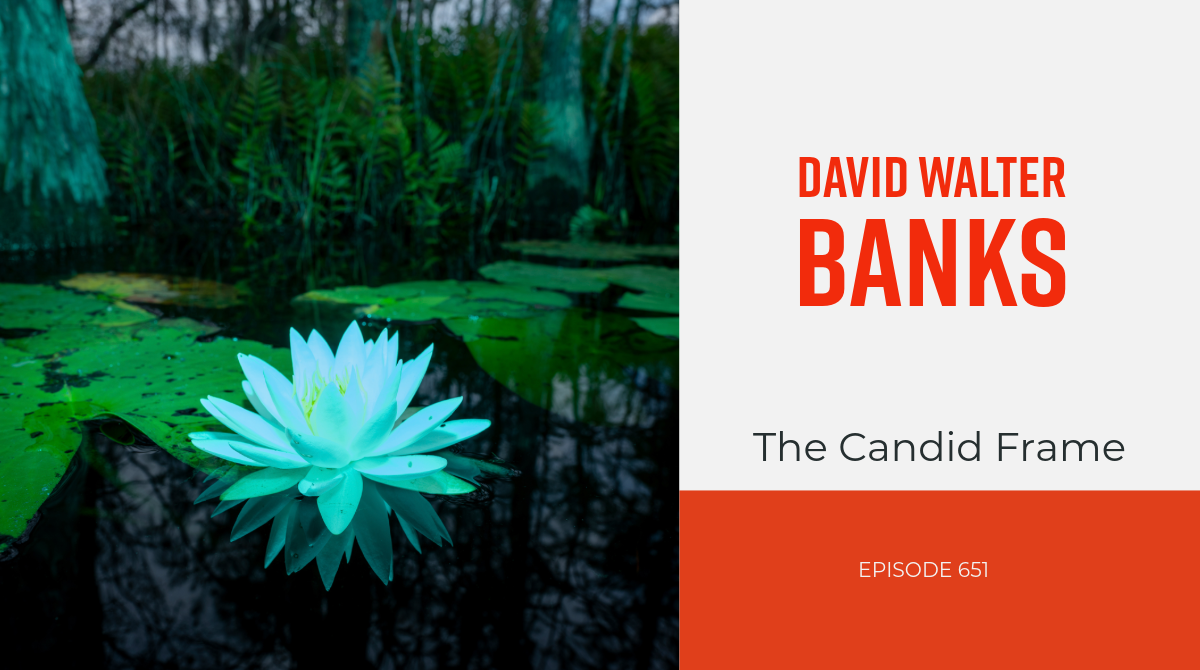
When photographer David Walter Banks began turning his lens toward the spaces where power, faith, and ideology take physical form, he set out to explore more than architecture. His photographs examine how belief systems—political, religious, and cultural—shape the built environment and, in turn, influence how we move through the world. From monuments and government buildings to evangelical megachurches, David’s work reveals how space is used to project authority, belonging, and conviction.
When photographer Ben Geier first began making images, it was his Midwest upbringing and a fascination with abandoned places that set him on a path of visual discovery. Over the past decade, Ben’s work has led him across the United States in search of once-vibrant theatres, roadside restaurants, neon signs, motels, and storefronts—places that carry the texture of America’s cultural and architectural history.
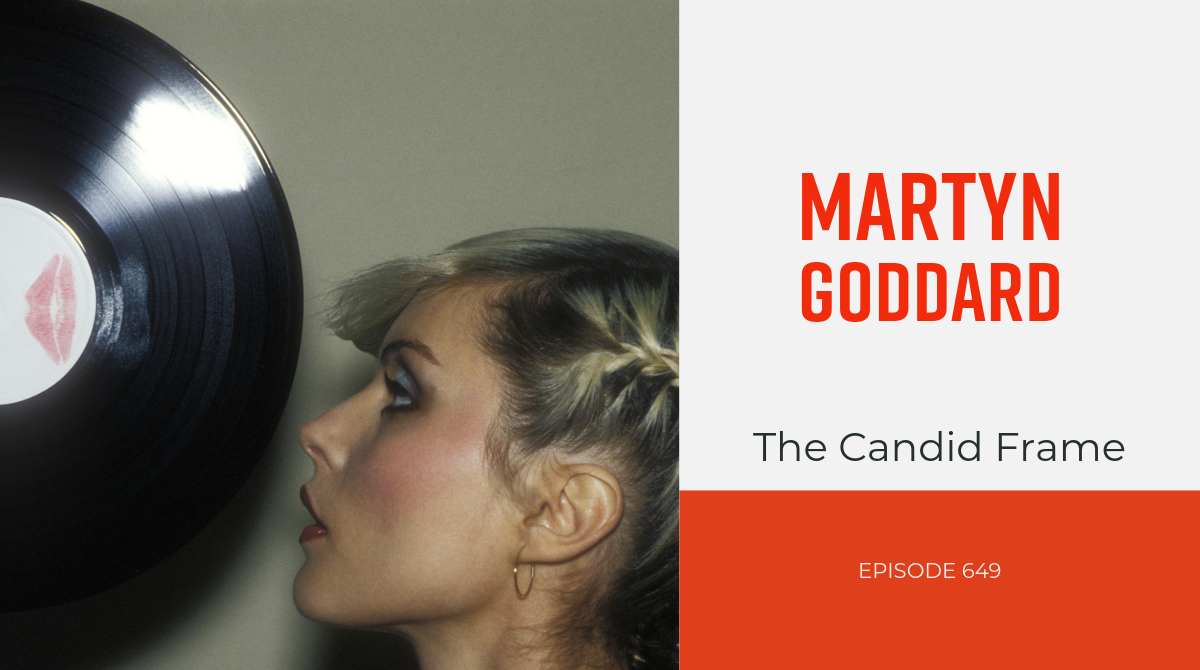
When photographer Martyn Goddard began documenting the emerging punk and new wave scene in London during the late 1970s, he was capturing more than a musical movement—he was photographing a cultural revolution. His lens found its way to some of the most influential bands of the era, none more iconic than Blondie. His candid, stylish, and energetic photographs reveal the band’s magnetic presence both on and off stage, chronicling the rise of Debbie Harry and her bandmates at a moment when music, fashion, and attitude collided.
When photographer and educator Mark Comon talks about photography, his passion is unmistakable. As the owner of Paul’s Photo in Torrance, California, and founder of the Creative Photo Academy, Mark has spent decades helping photographers at every level discover their creative potential.
When photographer Frank Jackson first picked up a camera, he discovered more than a tool—he found a way to translate how he sees and feels the world. Known for his street photography and portraiture, Frank has built a career rooted in curiosity, observation, and a relentless drive to make work that is true to himself. His images often balance rawness and elegance, revealing moments that might otherwise pass unnoticed.
When photographer Jonas Paurell set out to explore the relationship between humans and the natural world, he embraced a practice that moves fluidly between art, documentary, and environmental storytelling. His images are rooted in a deep engagement with place—whether remote mountain landscapes or fragile ecosystems—and they reflect both an aesthetic sensitivity and an ecological urgency. Jonas’s work doesn’t simply document the environment; it raises questions about belonging, responsibility, and how our presence shapes the land we inhabit.
When photographer Dimitri Staszewski began his Close to the Bayou project, he was drawn to the layered and deeply personal relationship between people and place in southern Louisiana. His photographs explore the impact of land loss, environmental change, and cultural resilience, capturing stories that exist at the intersection of identity, heritage, and survival.
A year after the Eaton Fire in Altadena upended our lives, I found myself sitting down with photographer, writer, and educator Jeffery Saddoris for a conversation that was less about photography and more about what happens when life forces you to reconsider where—and how—you want to live. Recorded in February, just before our move to Bordeaux, France, this episode reflects on the long emotional aftermath of loss, displacement, and uncertainty, as well as the difficult decisions that followed in the wake of the fire.