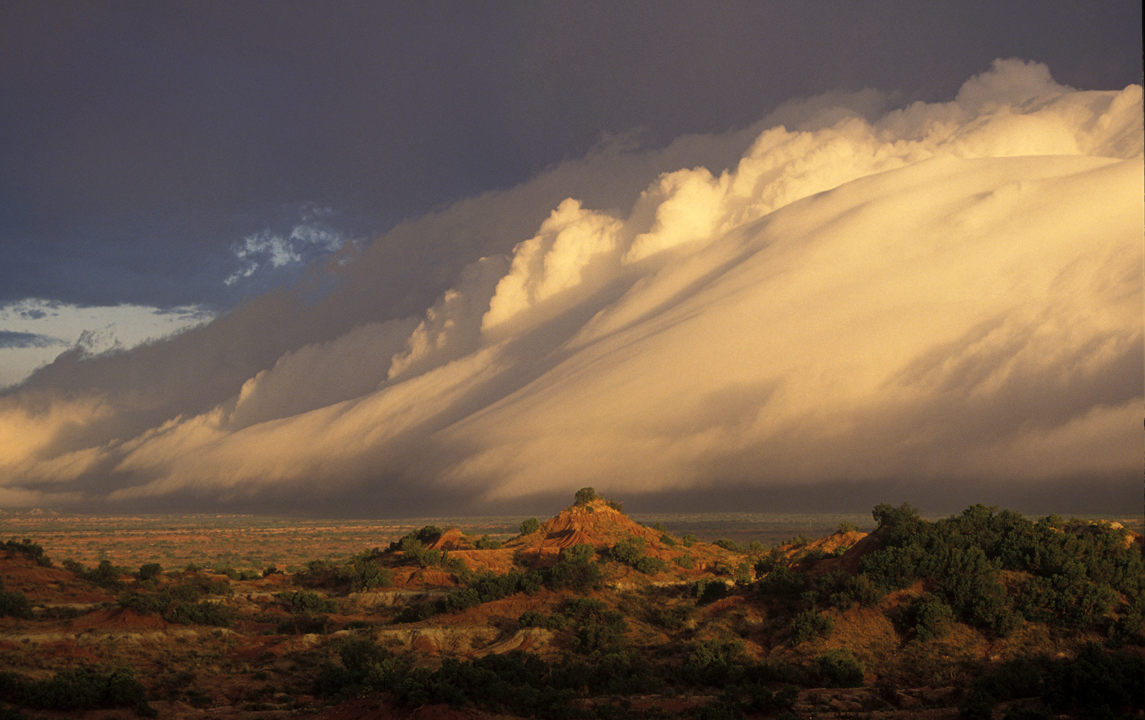
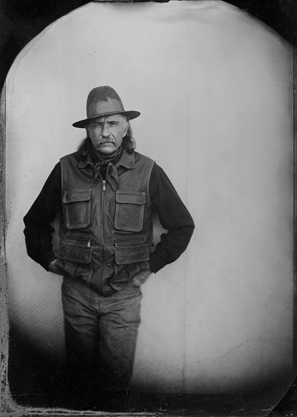
Wyman Meinzer is the only official State Photographer of Texas, named so in 1997 by the Texas State Legislature and then Gov. George W. Bush, an honor he still holds today. He was raised on the League Ranch, a 27,000-acre ranch in the rolling plains of Texas. Since then, he has traveled to every corner of this great state and all points in between in search of the first and last rays of sunlight in its magnificent sweep across the Texas landscape.
Meinzer graduated from Texas Tech in 1974 with a Bachelor of Science degree in Wildlife Management and was voted Outstanding Alumnus in 1987 by the department of Range and Wildlife Management at Texas Tech University. He also received the Distinguished Alumnus award in 1995 from the School of Agricultural Sciences and Natural Resources. In august of 1999, Meinzer was honored to give the graduation commencement address at his alma matter Texas Tech University. During his 12 years as adjunct instructor in communications at Texas Tech University, Wyman was selected as Agriculture Communications Teacher of the Year in 2005. In 2009 he received the Distinguished Alumnus award from Texas Tech University in recognition of outstanding achievement and dedicated service.
Post graduation Wyman spent five years as a professional predator hunter on the big ranches of the rolling plains. During this period he worked to perfect his photographic skills and now, after 33 years as a professional photographer, Wyman has photographed and /or written 24 large format books, and his images have appeared on more than 250 magazine covers throughout America. His images have appeared in Smithsonian, National Geographic Books, Natural History, Ebony, Time, Newsweek, U.S. News and World Report, Audubon, Sports Afield, Field and Stream, Outdoor life, Texas Parks and Wildlife, Texas Highways, Korea GEO, German GEO, Das Tier, Airone, Horzu, BBC Wildlife, and a host others.
Honors include: Official State Photographer of Texas by the 75th Texas State Legislature, the John Ben Sheppard Jr. Award from the Texas State Historical Foundation for contributing to the preservation of Texas History through writing and photography, 1997 National Literary Award for the book, “Texas Lost: Vanishing Heritage” (with author Andrew Sansom), the San Antonio Conservation Award for the natural history book, “Roadrunner”, the 2003 “Star of Texas Award”, from the Gillespie County Historical Society with author John Graves for their collaborative work, “Texas Hill Country”, and in 2011 the dual awards of “Texas Heroes Hall of Honor”, from the Frontier Times Museum in Bandera, Texas, and The A.C. Green Literary Award, presented to a distinguished Texas author for lifetime achievement.
Resources:
Download the free Candid Frame app for your favorite smart device.
Click here to download for iOS.
Click here to download for Android
Click here to download for Windows 8
Support the work we do at The Candid Frame with your donations via PayPal.
You can download the latest episode by clicking here.
To stream the current episode on your computer, click on the player below.
When photographer Bill Wishner began his career more than three decades ago, his focus was music—particularly jazz. His photographs documented performances and musicians, eventually leading to his role as co-editor of Monterey Jazz Festival: 40 Legendary Years. Over time, however, his photographic interests shifted from the stage to the urban environment, where he began looking for the unexpected images hidden in the walls and surfaces of cities around the world.
Beginning in 2012, Bill embraced the role of what he calls a “Visual Hunter,” turning his attention to the transformative visual art and aesthetics found on urban walls. His Art of the City Wall project explores the layers, textures, shapes, and juxtapositions created by graffiti, posters, weathering, and the passage of time.
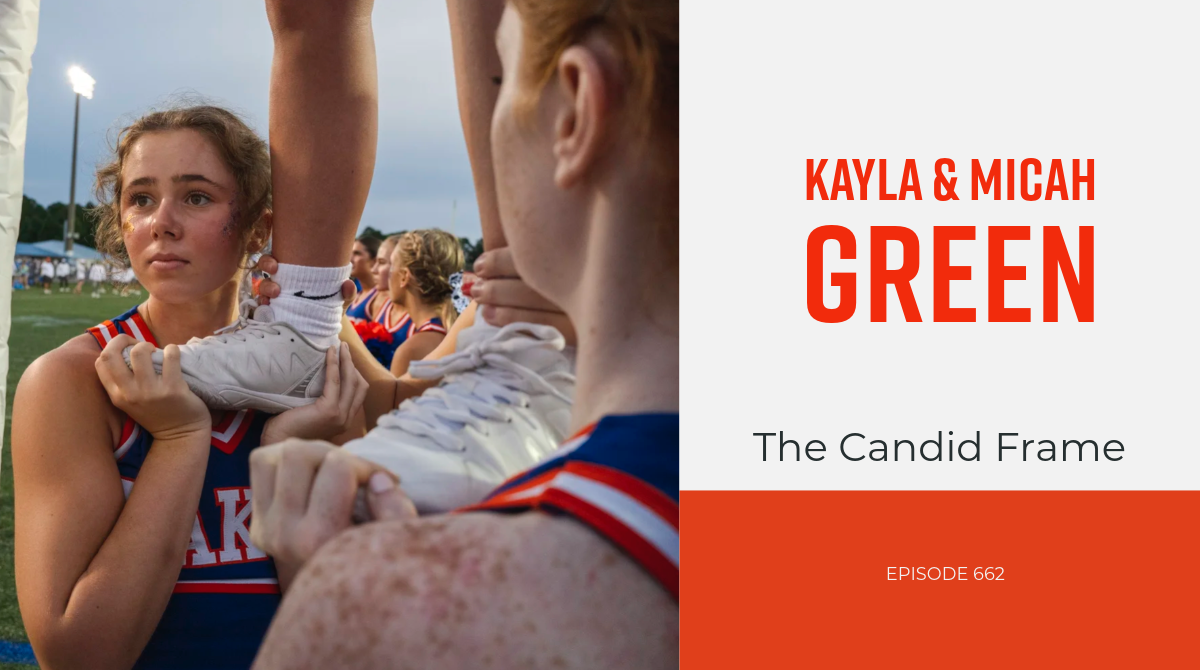
When photographer Micah Green and writer Kayla Greene chose to dedicate their talents to independent community journalism, they embraced a mission that extends far beyond reporting the day’s events.
Through their work producing several weekly and regional newspapers serving Baldwin County along Alabama’s Gulf Coast, they combine photography, reporting, and editing to document the lives of the people and places that define their community.
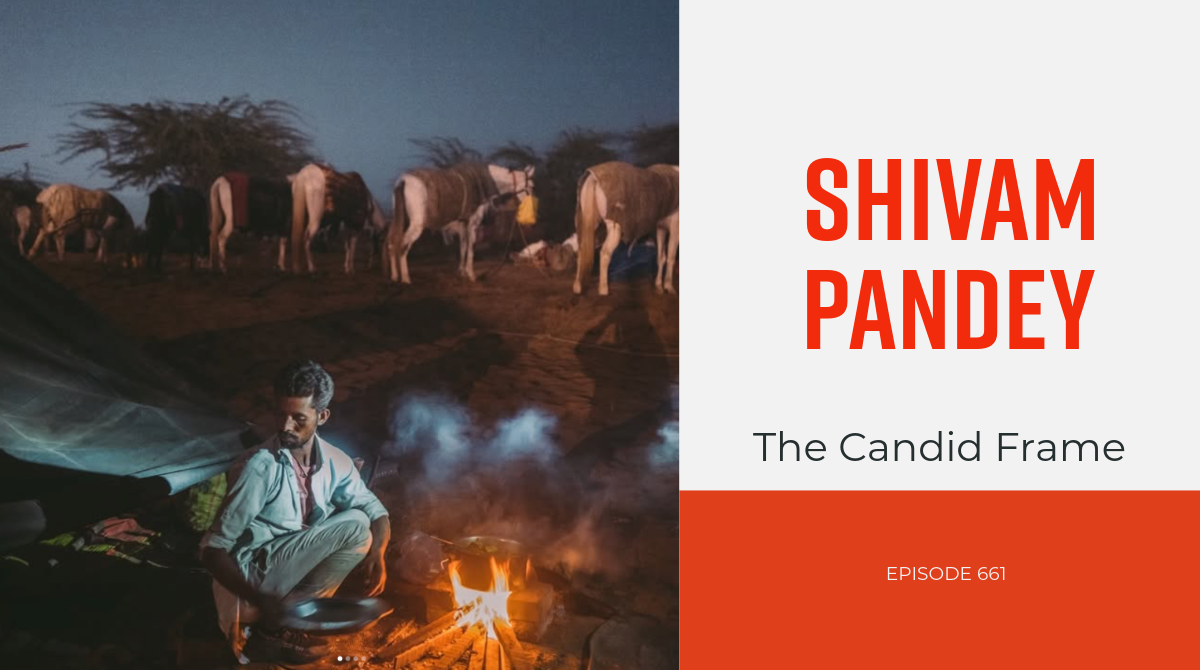
When photographer Shivam Pandey first began working as a fixer for visiting photographers in India, he was positioned on the edges of other people’s stories—helping shape access, logistics, and connection without yet fully claiming his own photographic voice. Over time, that proximity to image-making became a catalyst for his own practice. Based in Kolkata, Pandey has since developed a distinctive photographic approach rooted in observation, street-based storytelling, and a deep sensitivity to the rhythms of daily life in India.
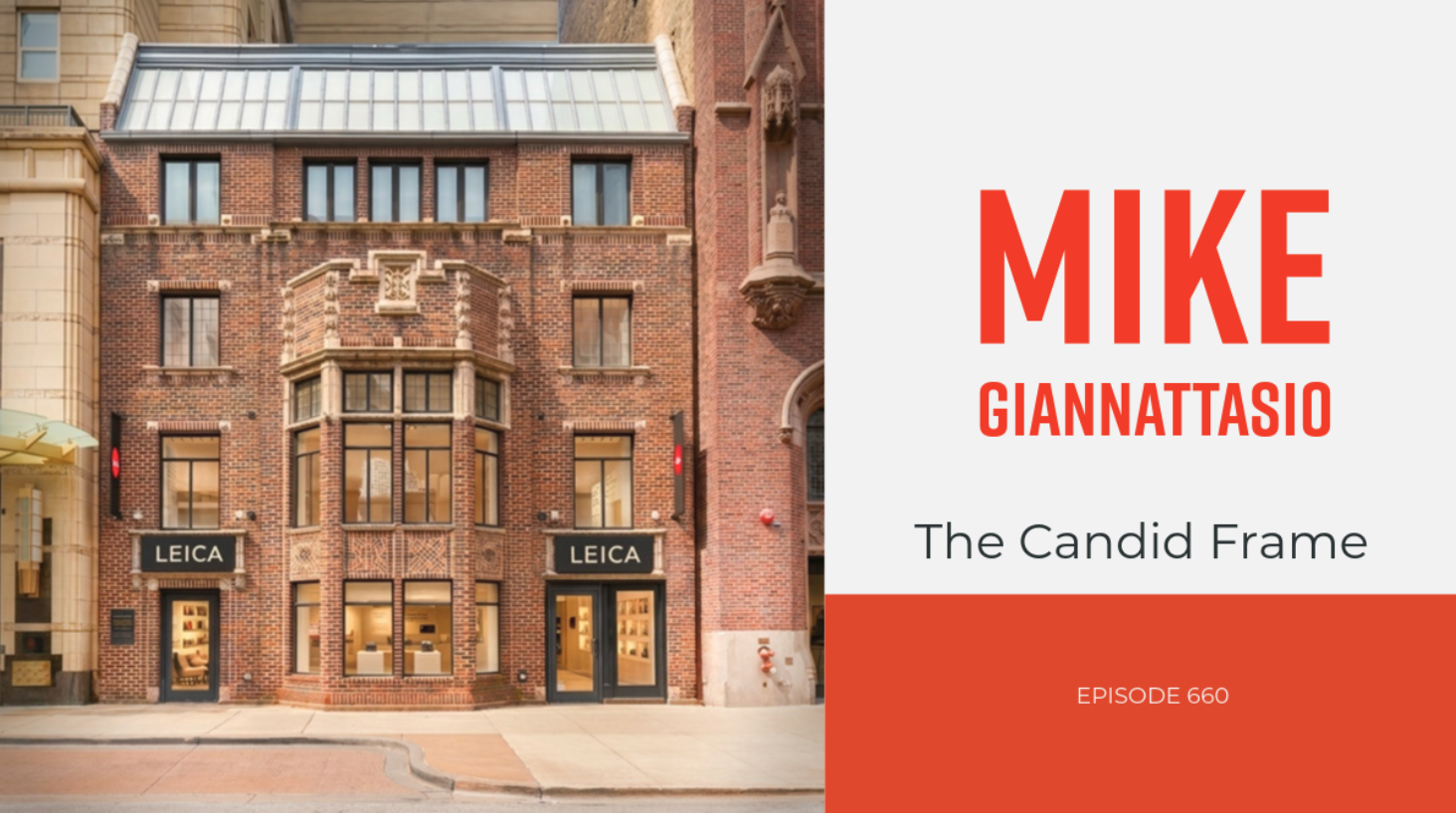
Mike Giannattasio is the current President of Leica Camera USA, and we sat down with him to discuss the history, philosophy, and values that have allowed Leica to remain one of the most respected names in photography for more than a century. Rather than focusing on the latest camera releases, our conversation explores the company's enduring commitment to craftsmanship, design, and a way of seeing that has inspired generations of photographers.
A significant part of our discussion centers on Leica's network of galleries, which have evolved into much more than exhibition spaces or retail showrooms.
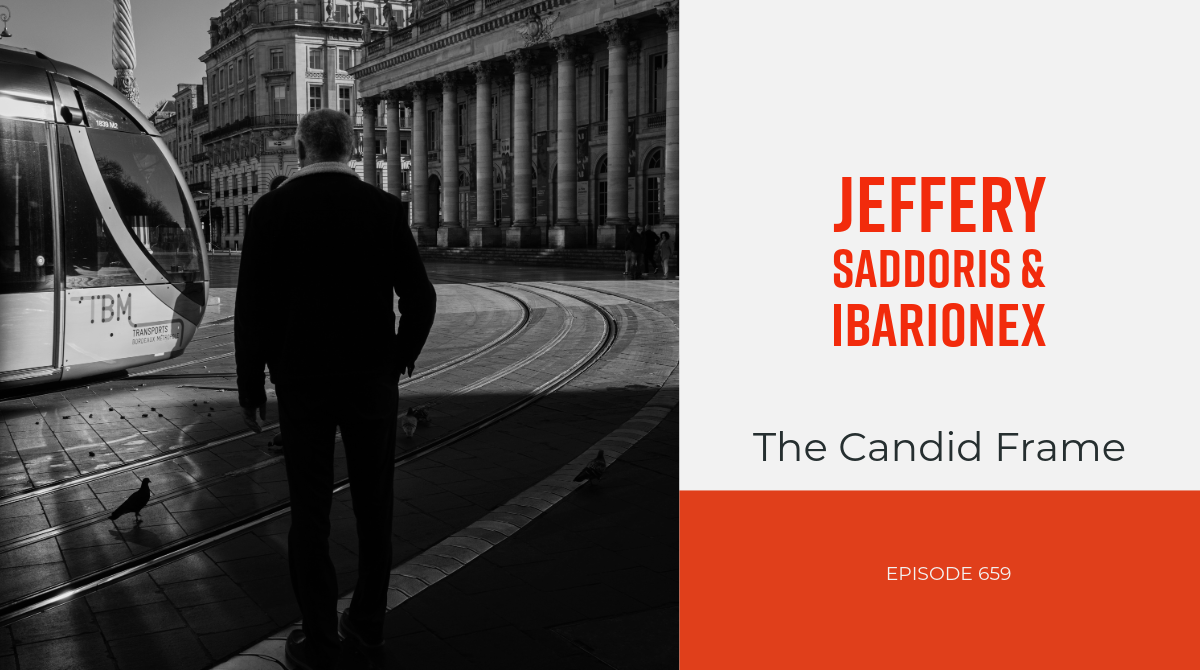
A year after the Eaton Fire in Altadena upended our lives, I found myself sitting down with photographer, writer, and educator Jeffery Saddoris for a conversation that was less about photography and more about what happens when life forces you to reconsider where—and how—you want to live. Recorded in February, just before our move to Bordeaux, France, this episode reflects on the long emotional aftermath of loss, displacement, and uncertainty, as well as the difficult decisions that followed in the wake of the fire.
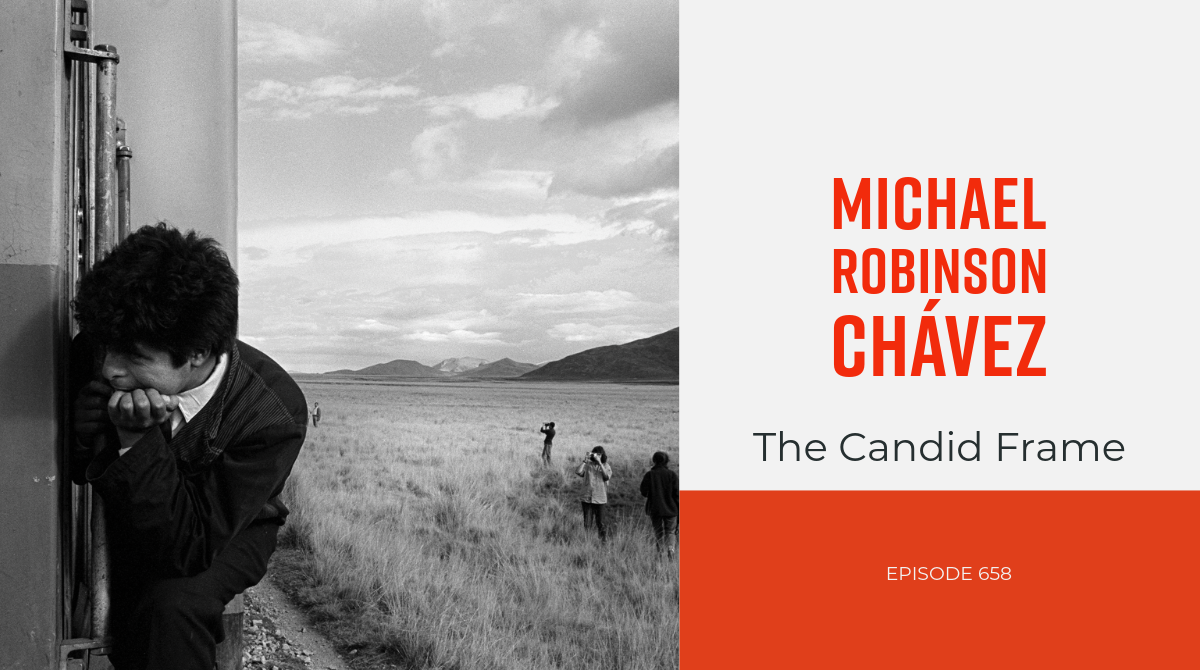
When Michael Robinson Chávez first traveled to Peru with a camera in hand, he couldn’t have known it would mark the beginning of a lifelong relationship with photography—and with the country that would become central to his understanding of himself. A native Californian and the son of a Peruvian mother, Chávez has spent decades building a distinguished career as a visual journalist, photographing stories across the globe with a rare combination of rigor, empathy, and clarity.
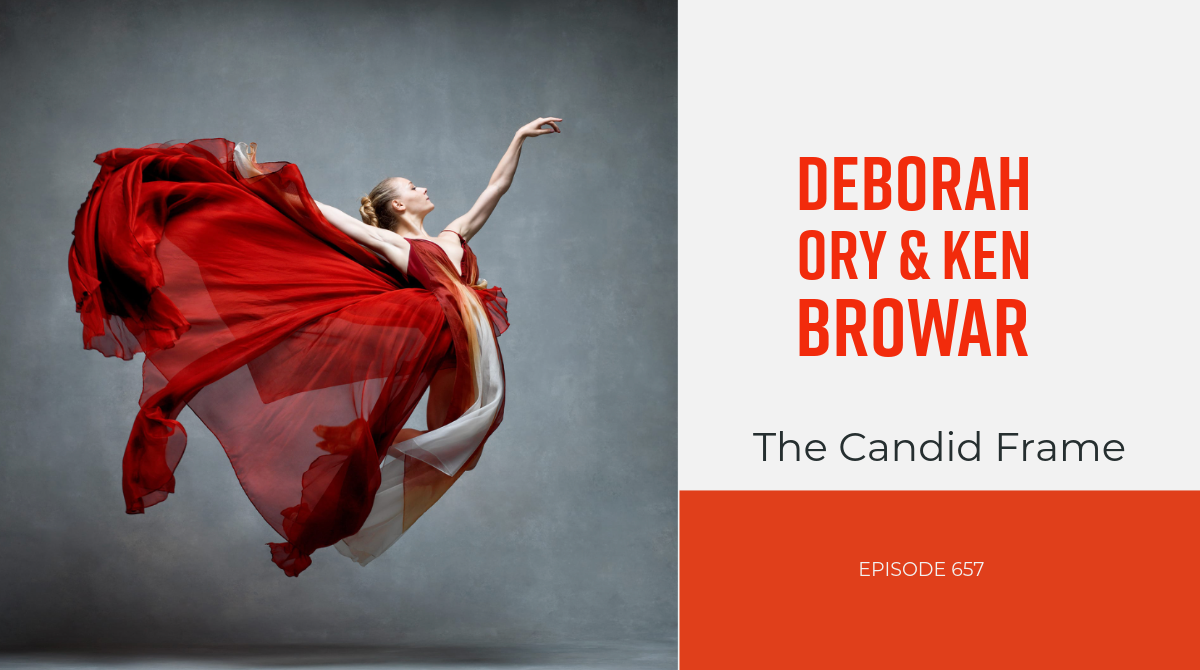
When photographers Ken Browar and Deborah Ory first began collaborating on what would become NYC Dance Project, they set out to create portraits that could honor the athleticism, artistry, and emotional force of dance. Their work has since become synonymous with a style of portraiture that is both elegant and explosive. That vision continues in their new book, Martha Graham Dance Company at 100, which celebrates one of the most influential institutions in modern dance.
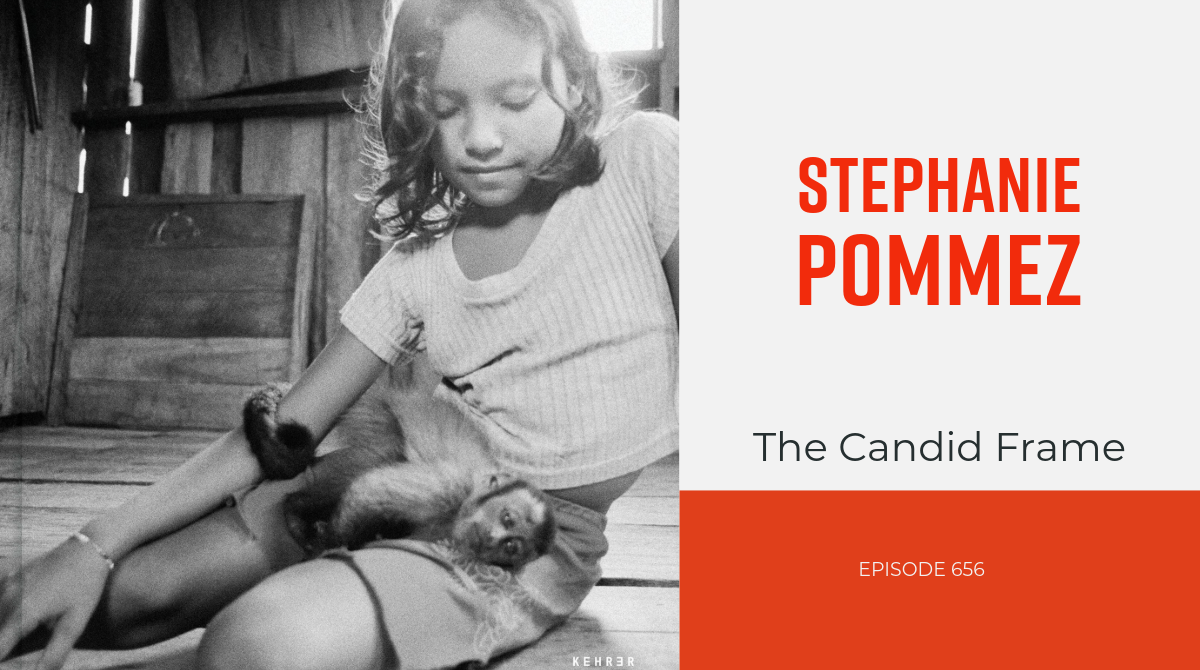
When photographer Stephanie Pommez began documenting the lives of traditional midwives in the Amazon, she was drawn by a desire to understand how communities shape meaning through ritual, labor, and shared belief. Over several years, she traveled through river-dweller communities, photographing women who serve not only as caretakers and healers, but as guardians of local culture.
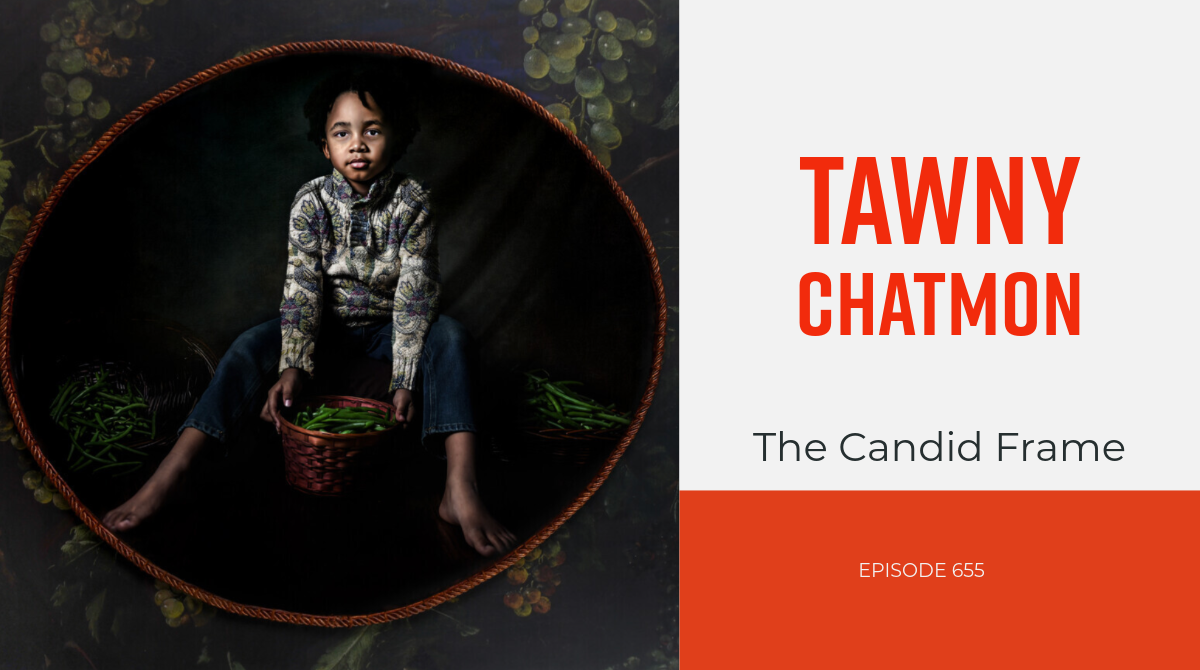
When photographer Tawny Chatmon creates a portrait, she is doing more than arranging light and subject—she is reconstructing history. Drawing from classical European painting traditions while centering contemporary Black subjects, her work reclaims visual space that has long excluded them. Through layered textures, gold leaf, and painterly surfaces, Tawny creates images that feel both timeless and urgently present.
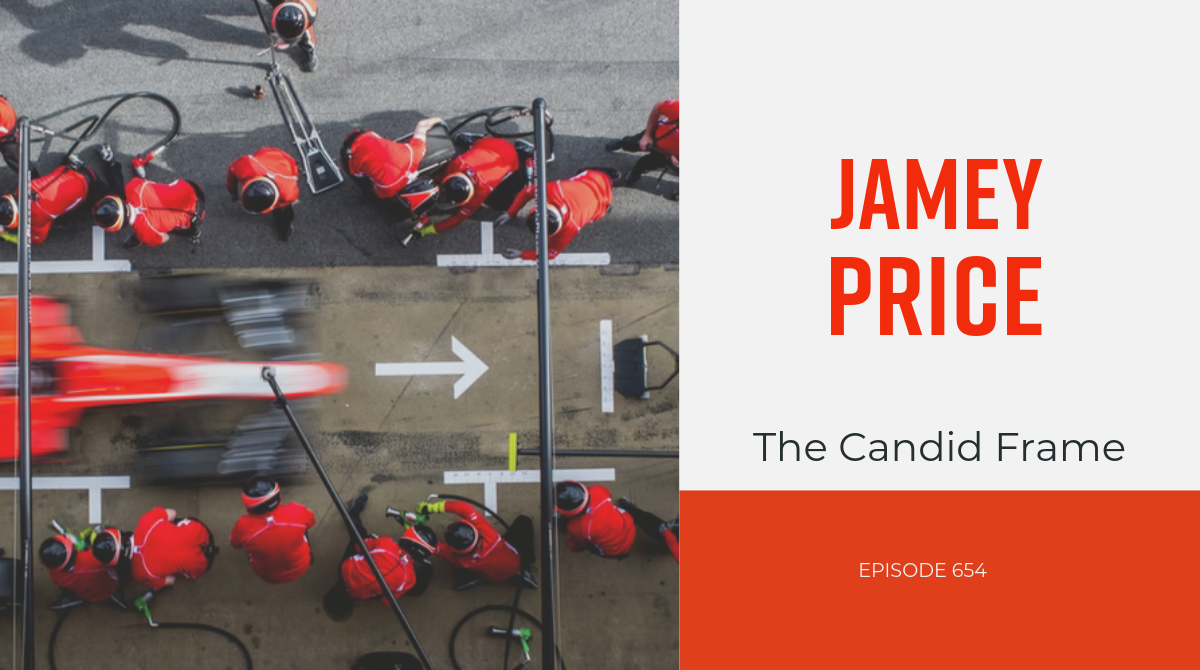
When photographer Jamey Price first turned his lens toward motorsports, he wasn’t simply chasing speed—he was chasing feeling. The roar of engines, the blur of motion, the choreography of pit crews and drivers—all of it became raw material for a visual language that balances technical precision with emotional intensity. His photographs don’t just freeze high-performance machines; they capture the atmosphere, tension, and spectacle that define global racing culture.
That pursuit culminates in his new book, Racing Unfiltered, a signed and numbered edition that brings readers closer to the visceral reality of professional racing.
When photographer Danielle L Goldstein and editor–writer Caroline Goldstein came together to create Transience, the result was a collaboration rooted in restraint, trust, and attentiveness. The book occupies the in-between—those fleeting, unresolved moments that resist easy interpretation. Danielle’s photographs do not insist on meaning; instead, they invite the viewer into a space of quiet observation, where tenderness and uncertainty are allowed to coexist.
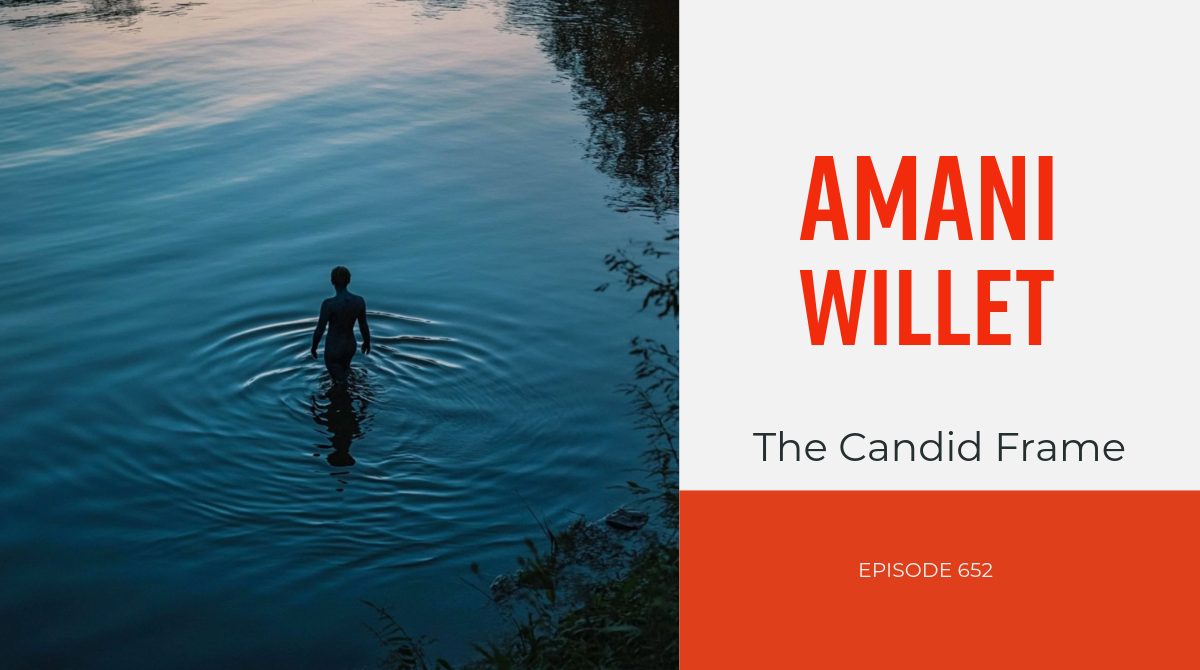
When photographer Amani Willett turns his attention to American life, he does so with a quiet precision that reveals both its poetry and its contradictions. Working primarily in black and white, Amani’s photographs explore themes of history, memory, race, and belonging—often focusing on overlooked spaces and moments that carry deep cultural resonance. His work invites viewers to slow down and consider how the past lingers in the present, shaping both personal and collective identity.
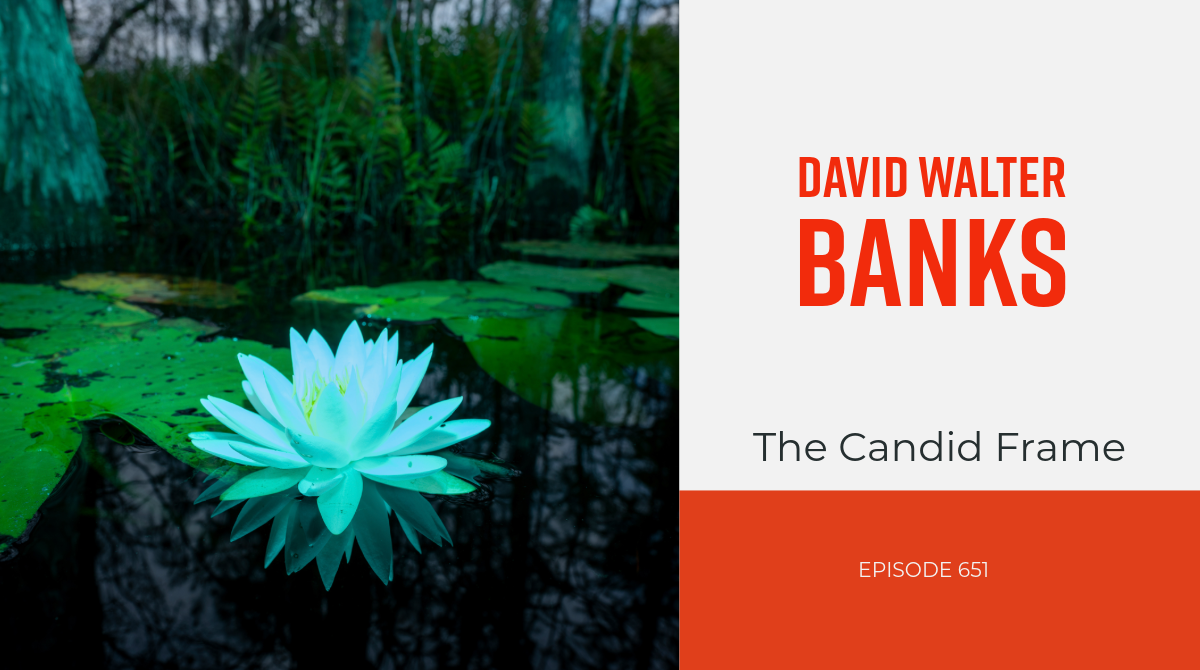
When photographer David Walter Banks began turning his lens toward the spaces where power, faith, and ideology take physical form, he set out to explore more than architecture. His photographs examine how belief systems—political, religious, and cultural—shape the built environment and, in turn, influence how we move through the world. From monuments and government buildings to evangelical megachurches, David’s work reveals how space is used to project authority, belonging, and conviction.
When photographer Ben Geier first began making images, it was his Midwest upbringing and a fascination with abandoned places that set him on a path of visual discovery. Over the past decade, Ben’s work has led him across the United States in search of once-vibrant theatres, roadside restaurants, neon signs, motels, and storefronts—places that carry the texture of America’s cultural and architectural history.
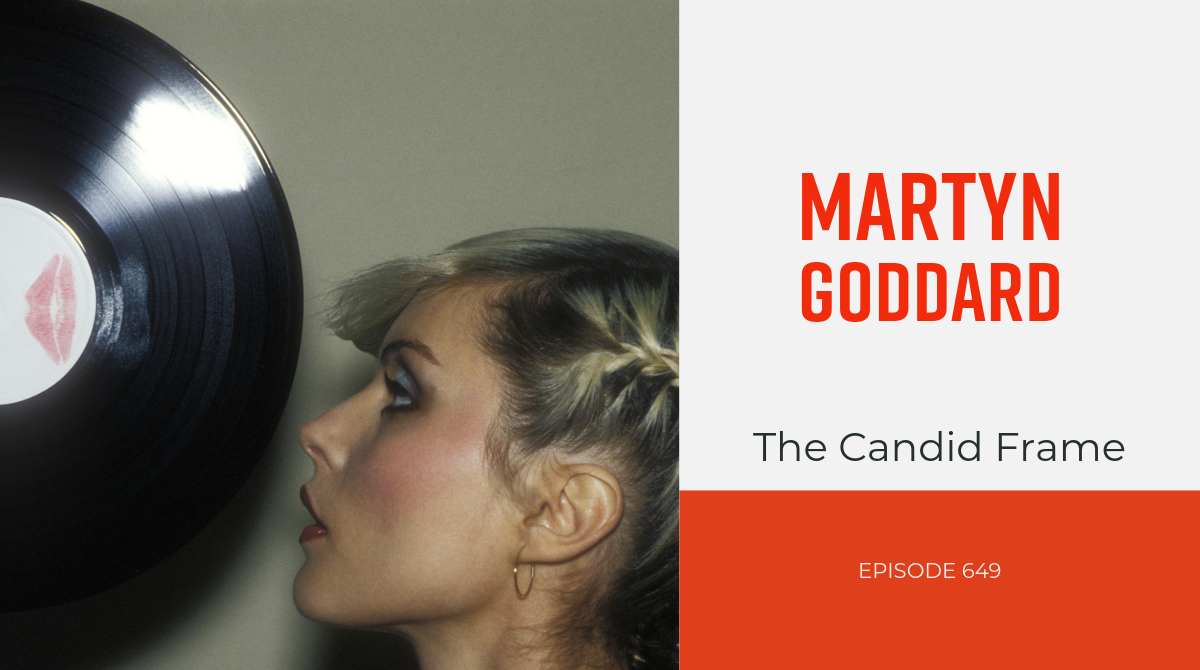
When photographer Martyn Goddard began documenting the emerging punk and new wave scene in London during the late 1970s, he was capturing more than a musical movement—he was photographing a cultural revolution. His lens found its way to some of the most influential bands of the era, none more iconic than Blondie. His candid, stylish, and energetic photographs reveal the band’s magnetic presence both on and off stage, chronicling the rise of Debbie Harry and her bandmates at a moment when music, fashion, and attitude collided.
When photographer and educator Mark Comon talks about photography, his passion is unmistakable. As the owner of Paul’s Photo in Torrance, California, and founder of the Creative Photo Academy, Mark has spent decades helping photographers at every level discover their creative potential.
When photographer Frank Jackson first picked up a camera, he discovered more than a tool—he found a way to translate how he sees and feels the world. Known for his street photography and portraiture, Frank has built a career rooted in curiosity, observation, and a relentless drive to make work that is true to himself. His images often balance rawness and elegance, revealing moments that might otherwise pass unnoticed.
When artist, photographer, filmmaker, and curator Lee Shulman discovered a collection of abandoned family photographs, he began to see something more than a group of anonymous snapshots. The images became the foundation for The Anonymous Project, an evolving collection that explores the memories, relationships, and everyday moments preserved in photographs whose original subjects and stories have been lost. What began as a fascination with found photographs has grown into a much larger exploration of photography, memory, and the stories we attach to images.