The Candid Frame #166 - Robert Larson


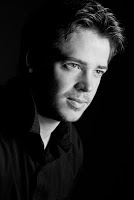
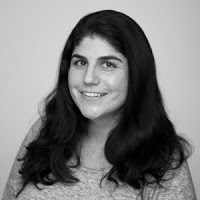
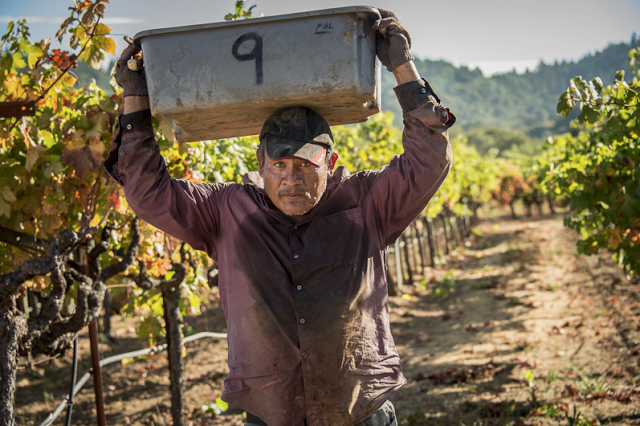
Robert Larson is a freelance photographer and writer living in Los Angeles. He is working on a long-term project entitled, Waiting for Haiti. In this self-assigned photo project, he is documenting the continuing impact of the devastating 2010 earthquake in Haiti. 

In his blog, he writes about the stories behind the images in his project as well as speaking frankly about the challenges, he's faced trying to start a career as a photographer. You can discover more about Robert and his work by visiting his portfolio website and the Waiting for Haiti website. You can also discover more by visiting his blog

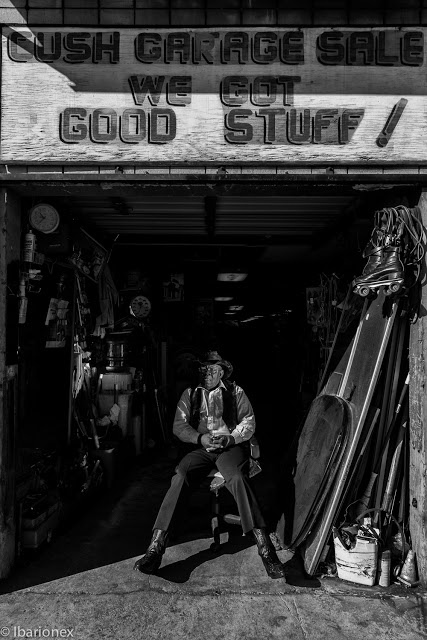
Robert Larson recommends the work of David Carol


You can also subscribe to the show via iTunes by clicking here.

Or you can directly download the MP3 file by clicking here.

Visit and subscribe to my YouTube Channel by clicking here.

To take advantage of the special offer on Adobe Lightroom 4 visit the link below or go to Adobe.com


And take advantage of the a 14-day free trial of Squarespace to create your own photo website and blog. Click below to get started. 


The Candid Frame #165 - Jacquelyn Martin


Jacquelyn Martin (b. 1979) is a staff photojournalist with the Associated Press, Washington DC bureau, where she covers a diverse range of topics from the President and Congress to the National Spelling Bee and the occupy movement. Fluent in Spanish, she has a passion for covering immigration issues. Born in Syracuse, NY, she graduated with honors in 2001 from the Rochester Institute of Technology.

 Her work has been honored with awards from the White House News Photographer’s Association, NPPA, and the Women Photojournalists of Washington (WPOW). She has served WPOW, a non-profit that educates the public about the work of female photojournalists, as both secretary and vice president. When not on assignment for the AP she can be found around the world working on personal projects, or salsa dancing. 

Jacquelyn’s work can be seen via twitter @jacquelyn_m and on her website.


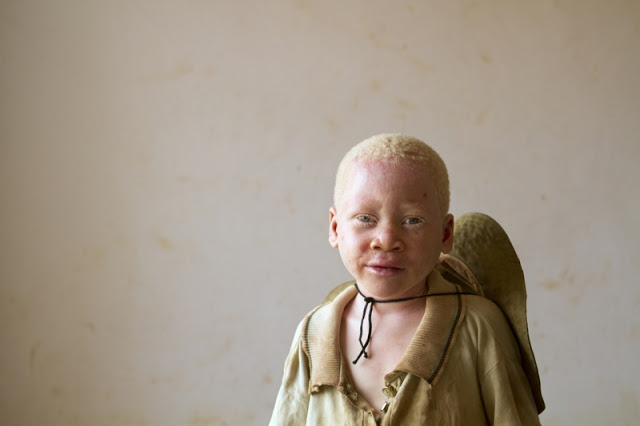
To learn more about how you can help people with albinism in Tanzania
contact Asante Mariamu


 Jacquelyn recommends "The Image, Deconstructed", a blog that examines the mental approach behind image making  and the work of the blog's founder, Ross Taylor. She also suggest the work of Amanda Lucidon, particularly her project, Legal Stranger.


You can also subscribe to the show via iTunes by clicking here.

Or you can directly download the MP3 file by clicking here.

Visit and subscribe to my YouTube Channel by clicking here.

To take advantage of the special offer on Adobe Lightroom 4 visit the link below or go to Adobe.com


And take advantage of the a 14-day free trial of Squarespace to create your own photo website and blog. Click below to get started. 

Improving Composition with Cropping

Here is a Adobe Lightroom tutorial on how to use the overlays available in the crop tool to improve your compositions.

Visit and subscribe to my YouTube Channel by clicking here.

To take advantage of the special offer on Adobe Lightroom 4 visit the link below or go to Adobe.com


And take advantage of the a 14-day free trial of Squarespace to create your own photo website and blog. Click below to get started. 


The Candid Frame #164 - Bruce Dorn

Bruce Dorn  has enjoyed a rich and varied career as a Director, Cameraman, and Photographer, his formal training is in Design. Bruce spent four years as an Associate Professor of Design at Indiana University where he taught advanced courses in both Photography and Design.
As a Mechanical Designer, Bruce has earned acclaim as a builder of custom motorcycles and racing cars. His efforts have been featured in mainstream enthusiast magazines such as Hot Bike and Hot Rod. Insiders credit Bruce with the inspiration of the hugely popular Harley Davidson Fat Boy that appeared shortly after one of his clients, Willie G. Davidson, spent hours pouring over the details of one of Bruce’s pet projects.
Bruce who is also a Canon Explorer of Light has also designed accessories for using HDSLRs for video. Under the IDC Photo Video brand, the products are the result of his relentless pursuit of minimalist functionality. To discover more about Bruce and his work visit his website
To view Bruce's Arizona Cowgirl video references in the interview click here
Bruce Dorn recommends the work of John Fauer.


You can also subscribe to the show via iTunes by clicking here.

Or you can directly download the MP3 file by clicking here.

Visit and subscribe to my YouTube Channel by clicking here.

To take advantage of the special offer on Adobe Lightroom 4 visit the link below or go to Adobe.com


And take advantage of the a 14-day free trial of Squarespace to create your own photo website and blog. Click below to get started. 


Lens Correction and B&W Conversion

Here is a short tutorial and how I use Lens Profiles and corrections in Adobe Lightroom. I also quickly demonstrate how I utilize Nik Silver Efex Pro to convert a color image in a black and white photograph.


Discover what Adobe Lightroom 4 has to offer you and your photography by clicking on the link below. Download the free full-function trial version today. 


And take advantage of the a 14-day free trial of Squarespace to create your own photo website and blog. Click below to get started. 


The Candid Frame #163 - Emilio Banuelos


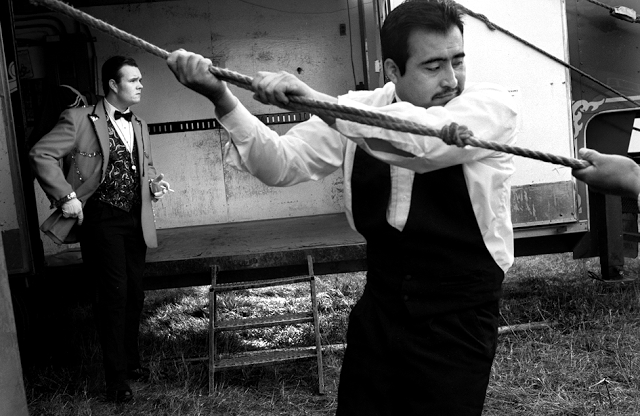
Emilio Banuelos has worked as an editorial photographer and consultant for newspapers in Mexico, Panama and the United States. His documentary work earned him fellowships from the Poynter Institute, The Marty Forscher Fellowship for Humanistic Photography and an award from EnFoco Inc. In the San Francisco Bay Area, Emilio teaches documentary photography for the Academy of Art University, and has conducted workshops for the University of California Santa Cruz-Extension, the University of Coahuila and Black Boots Inc. You can discover more about his work by visiting his photo website or the site for Black Boots Ink

Emilio Banuelos recommends the work of Donna Ferrato


You can also subscribe to the show via iTunes by clicking here.

Or you can directly download the MP3 file by clicking here.

Visit and subscribe to my YouTube Channel by clicking here.

To take advantage of the special offer on Adobe Lightroom 4 visit the link below or go to Adobe.com


And take advantage of the a 14-day free trial of Squarespace to create your own photo website and blog. Click below to get started. 


The Candid Frame #162 - Joel Meyerowitz


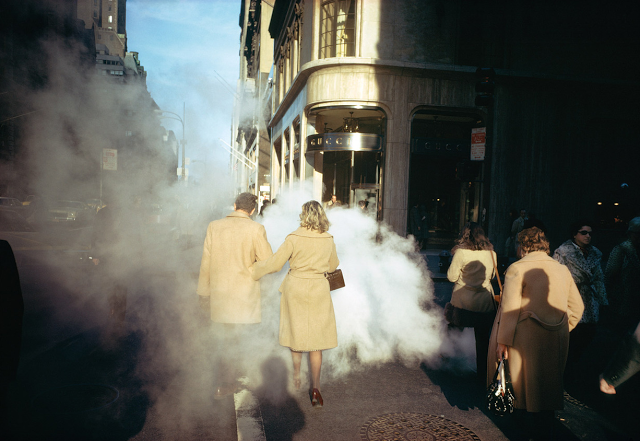
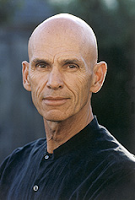
Joel Meyerowitz is an award-winning photographer whose work has appeared in over 350 exhibitions in museums and galleries around the world. He was born in New York in 1938. He began photographing in 1962. He is a “street photographer” in the tradition of Henri Cartier-Bresson and Robert Frank, although he works exclusively in color. As an early advocate of color photography (mid-60’s), Meyerowitz was instrumental in changing the attitude toward the use of color photography from one of resistance to nearly universal acceptance. His first book, Cape Light, is considered a classic work of color photography and has sold more than 100,000 copies during its 30-year life. He is the author of 17 other books, including the newly released book by Aperture,Legacy: The Preservation of Wilderness in New York City Parks.You can find out more about Joel and his work by visiting his website.

Listen to our first interview with Joel on Episode 19 of the Candid Frame. 

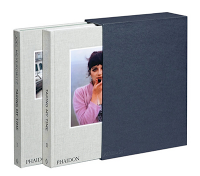
Click on the image above for more information on his latest book, Taking My Time. Visit the Phaidon website to view the short video mentioned by Joel in our interview. 


Joel recommends the work of Paul Strand  and Alex Soth 


You can also subscribe to the show via iTunes by clicking here.

Or you can directly download the MP3 file by clicking her

Visit and subscribe to my YouTube Channel by clicking here

To take advantage of the special offer on Adobe Lightroom 4 visit the link below or go to Adobe.com


The Candid Frame #161 - Jeff Sedlik


Jeff Sedlik is a photographer, director, educator, publisher, expert witness and consultant. A leading authority on image licensing, copyright and the business of image licensing, Sedlik is President of the PLUS Coalition, past President of the APA, and a Professor at  the Art Center College of Design. You can discover more about the PLUS Coalition and register for free by visiting www.PLUSregistry.org

Jeff Sedlik recommends the work of Herman Leonard.


You can also subscribe to the show via iTunes by clicking here.

Or you can directly download the MP3 file by clicking her

Visit and subscribe to my YouTube Channel by clicking here


The Candid Frame #160 - Susan and Neil Silverman


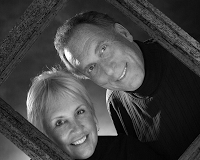
Susan and Neil Silverman forever seek "the Image, the Light and the Moment" through their camera lens. Together they teach workshops, photograph a multitude of subject matter: people, nature, landscape, weddings, travel, commercial and industrial sites.

Their work is represented by stock agencies both national and international and has appeared in a variety of publications including the cover of Outdoor Photography,, Elle Magazine, Sierra Club, Microsoft, Pacific Rim Magazine, Cure Magazine, der Spiegel, Tamrac International Catalogue Cover, Nikon World, The Wooden boat, Sierra Club, Nikon International Catalogue, and Proceedings among many others. You can find out more about them and their work and workshops by visiting their website

Neil and Susan Silverman recommend the works of W. Eugene Smith and Richard Avedon


You can also subscribe to the show via iTunes by clicking here.

Or you can directly download the MP3 file by clicking here.


The Candid Frame #159 - Alan Hess


Alan Hess is a San Diego-based commercial photographer specializing in concert and live-event photography. He has photographed hundreds of concerts three songs at a time. From small club shows to big arenas, Alan enjoys the fast pace of shooting on the fly, the rush of the house lights going down, and the drive to capture the “show” in the images of the first three songs.

The wide variety of bands that Alan has shot include: Billy Idol, Black Eyed Peas, Bruce Hornsby, The Dead, Death Cab for Cutie, Derek Trucks Band, The Grateful Dead, Jackie Greene, John Legend, Marilyn Manson, Robin Williams, Slayer, The Smashing Pumpkins, Steel Pulse, Widespread Panic, Willie Nelson and many others.

Alan’s work has been published in a variety of online and print outlets, including the following: Dead.net, Jambands.com, Jambase.com, Poughkeepsie Journal, Mill Valley Herald, Pauserecord.com, Philzone.com, Photoshop User, Rat-dog.com, Relix Magazine and Vintage Guitar Magazine.

His images have been used for various CDs and other promotional work. Alan is currently the house photographer for a large concert venue in Southern California and when he isn’t out shooting concerts he is writing books.

Alan is the author of six photography books and three books about getting the most from your iPad. He has been the technical editor or content advisor on 12 other titles and continues to write and edit books when not out shooting.

Alan has been part of the PhotoshopWorld Instructor Dream Team since 2009

You can discover more about Alan and his photography by visiting his website

Alan Hess recommend the work of Joe McNally

You can listen to our interview with Joe McNally on TCF by clicking here


You can also subscribe to the show via iTunes by clicking here.

Or you can directly download the MP3 file by clicking here.

The Candid Frame #158 - Aline Smithson


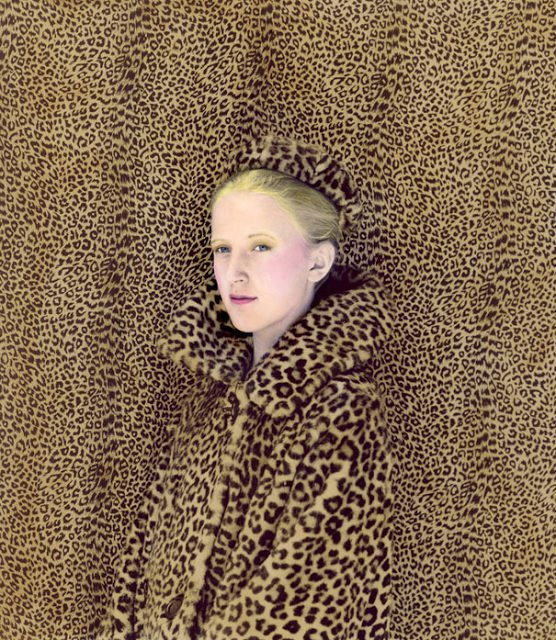
Aline Smithson is a fine-art photographer whose work has been exhibited widely in exhibitions in venues such as the Griffin Museum of Photography, the Fort Collins Museum of Contemporary Art, Lishui Festival in China and the Tagomago in Barcelona and Paris. Her images have also been published in PDN (Photo District News), Communication Arts Photo Annual, Lenswork Extended and Silvershotz magazines.

In 2012, Aline received the Rising Star Award through the Griffin Museum of Photography for her contributions to the photographic community. Aline founded and writes the blogzine, Lenscratch, that celebrates a different contemporary photographer each day and offers opportunity for exhibition. You can learn more about Aline and her work by visiting her website.

Aline Smithson recommends the work of Angela Bacon-Kidwell.


You can also subscribe to the show via iTunes by clicking here.

Or you can directly download the MP3 file by clicking here.


The Voices in My Head


One of the things that I share with my students about the practice of photography is the role of “the editor”. And by that I don’t mean the software that one uses to massage a digital photograph or even the person sitting at the computer working the mouse or the stylus. Rather, I am referring to the voice in the head that makes the judgements of what’s good or bad, what works or doesn’t work. It’s the voice that’s meant to guide me as to whether I’m walking the right creative path or that I’ve actually stumbled into the overgrowth and am now tangled in the burrs and weeds. 

The editor is an important part of my creative process whether I am raising my camera to my eye or attempting to put words on a virtual blank sheet of paper. It’s my innate power of discernment that help me to evaluate the work that I’ve produced and which allows me to effectively separate the wheat from the chaff. It’s a skill that I’ve been able to develop especially well because of the many opportunities I’ve had to serve the role of editor for other people work, be it photography, videos or fiction. It’s something that I know that I’m pretty good at. 

However, that editor can also be my worst enemy, especially when it comes to moments of creativity. 

Many times, I’ve used the example of finding something that I think is interesting to photograph, raising my camera to my eye and than deciding not to make the image, because something is telling me that it’s really not worth expending the energy of depressing the shutter release button. It’s the moment when the editor steps in and makes a judgement call, but it’s a call that I’ve come to find that it has no business making. 

I’ve come to discover that something has piqued my interest, that there is likely something there that has the potential to make a good photograph. It may not be a great photograph, but that’s not important. There is something that is triggering my response to stop and observe it and though it may not be immediately obvious to me, even when I frame the scene with my camera, it doesn’t mean that I should listen to the editor and not make the image at all. 

In my experience when I begin the process of making the images, I can sometimes discover what it was I was responding to. It might not happen with a single photograph. It often calls on me taking a variety of images using different camera orientations, focal lengths, perspective. It demands that I move around and think about the juxtaposition of the foreground and the background, or maybe even adjustments of exposure and background. It’s about me exhausting all the possibilities of the subject and the scene as I make the attempt to assess what it was that was calling me in the first place. 

When I let the editor dissuade me from even making that first photograph, I’m allowing it to put a stranglehold on my creativity. Like a child that’s given a camera, I need to be free to see, react and create. See. React. Create. It’s a mantra that I have to repeat as I am out there exploring through the viewfinder of my camera. It’s that kind of openness,  free of judgement that opens opportunities for discovery and surprises that can become interesting or even great images. 

The role of the editor come into play later when I am sitting at the computer culling through the hundreds or thousands of images that I’ve created. It’s then and only then that I should welcome the editor’s voice to the process. It’s then that the the dozen images that I’ve made of the single subject provides the material the editor needs to make comparisons and judgements and to ultimately make the decision as to what works and what doesn’t work. 
If I don’t make the image or worst yet, only make one shot and walk away, I leave the editor with nothing to work with. Instead, it begins to speak up when it shouldn’t and makes my time of creativity, my “play time” a period of frustration and anxiety. Being out with my camera is about having fun, but if that joy is stripped away as a result of hyper-criticalness, I am just giving my index finger exercise with little hope of producing anything that will prove satisfying. 

I am sensitive to this dynamic because I experience the same thing when I am writing. Whether’s a non-fiction piece or a short story, I face that same voice of the editor trying to step in to make a judgement call on the words that I’m putting on the page or am even considering putting on the page. It can dog me even when trying to work out a simple outline. When I do that, I struggle. I stare at the blank screen with an increasing feeling of anxiety and frustration. I begin to think that I’m foolish for even trying, because obviously I don’t have sufficient talent or skill to be able to do this as well as I think I should. 

That’s the peril of listening to the editor during the process of creating. It’s a critical voice by nature, which is important to have to refine a body of work. However, it’s a crippling one when it’ a time when you are supposed to be in the midst of creating the raw material from which you will work from. Invite the critic into the moment when I’m meant to be most creative and it’s most often less than a satisfying experience.

When it comes to photography, I just start shooting. I don’t just make a snap and go off chasing the next best photograph that may be waiting for me around the corner. Rather, I linger, stay present with the subject and the scene and really try to discern frame by frame how I can capture the thing that caught my attention. I work on making the image that can express that moment of discovery for the viewer who sees the images later. And though there may be moments that don’t provide me the opportunity for such exhaustive exploration, it’s getting my mind into a state of being completely present, free of judgement when opens me and readies me for those images that can only be captured in a fraction of a second and a single frame. 

Though I struggle with achieving such a state of mind with my writings at times, I nevertheless know that regardless of the art that I’m attempting to create, it’s ultimately about me getting out of my own way. It’s about tapping my editor on the shoulder, asking him to step aside to allow me the joy and freedom that comes from making something from nothing. 

The Candid Frame #157 - Brian Smith


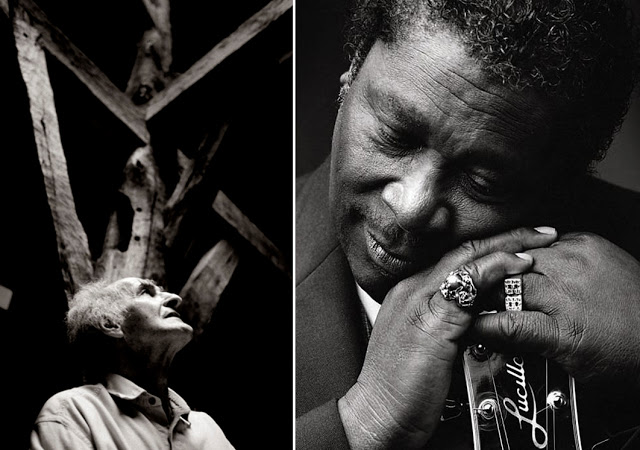
Brian Smith is a Pulitzer Prize-winning photographer who for the past thirty years has created iconic portraits of famous athletes, celebrities, politicians and business people. His images have appeared in countless books and magazines, not least of which are Sports Illustrated, ESPN the Magazine, Time, Forbes, New York Times Magazine, Elle and British GQ.

He won the Pulitzer for Spot News Photography for his photography of the Olympic Games in Los Angeles. He was also won awards from both World Press Photo and the Picture of the Year competitions for his image of Greg Louganis hitting his head on the diving board at the Seoul Olympics. His personal project have included images of Burlesque performers from today and the past. He is also the author Secrets of Great Portrait Photography: Pictures of the Famous and the Infamous. You can discover more about Brian and his work by visiting his website at www.briansmith.com

Brian Smith recommends the work of Elliot Erwitt.


 You can also subscribe to the show via iTunes by clicking here.

Or you can directly download the MP3 file by clicking here.